
10 Best Deodorants for Odor in 2022 (Dermatologist-Reviewed)
Body odor distracting you or making you feel self-conscious? Although sweat in and of itself isn't smelly, the interaction between sweat and odor-causing bacteria is where the problem of body odor begins. To deal with the issue of unwanted odor, antiperspirants, deodorants, or a combination of both can help get you some olfactory peace.
It can be hard to navigate all of the different products and what their labels and functions mean. That's why we have put together a list of the 10 best deodorants for dealing with odor. Our favorite was Native's deodorant because its gentle formula doesn't hold back on fighting stink. Keep reading to see what other deodorants made our list and why! To deepen your understanding of what exactly makes a good deodorant, check out our buying guide reviewed by a dermatologist for some in-depth information.

Dr. Levy is a board certified dermatologist practicing in NYC and Westport, Connecticut. She has expertise in treating inflammatory skin conditions like acne, rosacea, eczema, and psoriasis. She has an interest in skincare and takes a personalized approach to all of her patients.

mybest US' editing team consists of experienced members who have backgrounds in writing, editing, translation, and more. We are dedicated to researching what makes a product or service the best to users in the US in order to create top-quality articles. From skincare, to kitchen appliances, and to DIY supplies, our mission is to find the best ones for you.
The expert oversees the Buying Guide only, and does not determine the products and services featured.
Why You Can Trust Us
Every mybest article is crafted with hours of in-depth research and interviews with experts. Each month, we are continually expanding our database of products based on our research. By emphasizing user insight and reliable information, we deliver trustworthy content to readers.
How to Choose a Deodorant for Odor - Buying Guide
When it comes to dealing with unwanted body odor, it's important to know the difference between deodorants and antiperspirants, the connection between sweat and odor, and which ingredients work. Read through our buying guide to learn some of the important factors in the choosing the right product for you.
Deodorants Deal With Odor or the Bacteria That Cause It, but They Won't Address Sweat

Deodorants do what their name implies; they get rid of odors that are already there. While they don’t do anything for the sweat you produce, they make the sweat you excrete less smelly.
Bacteria - therefore, smell - can be effectively controlled with ingredients that have antibacterial or antimicrobial properties. For example, deodorants made with ingredients like alcohol or witch hazel make your armpit environment more acidic, making it difficult for smelly bacteria to thrive and survive.
Some of the most popular natural ingredients to control bacteria are coconut oil and essential oils. Coconut oil is antimicrobial and moisturizing, making it a commonly used base ingredient.
Essential oils like lavender, peppermint, and tea tree oil not only smell nice but also have antibacterial properties. Other ingredients like fragrances can cover unpleasant odors, but focusing on preventing body odor in addition to covering it is a better way to keep odor at bay.
Moisture-absorbing ingredients like charcoal and baking soda also have odor-neutralizing properties, which is why you may be familiar with keeping them in places that get smelly, like the fridge or closet.

Be wary of coconut oil-based products if you are prone to fungal infections. These products can lead to outbreaks of fungal and yeast rashes in the armpits.
If you want to use a product that gives you the best chance of reducing sweat and fighting odor, look for one with baking soda or charcoal. Although these ingredients won't stop sweat production, they are effective at wicking up moisture in addition to absorbing odors.
Antiperspirants Prevent Odor by Preventing Sweating
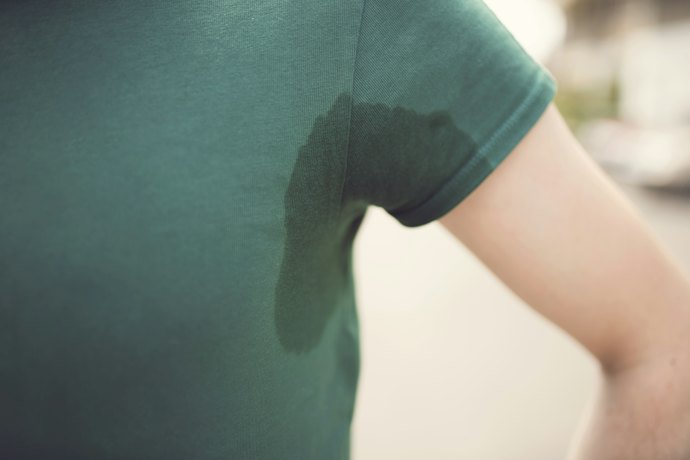
Antiperspirants use aluminum to prevent sweating by blocking the pores, thereby decreasing the amount of sweat you produce and keeping you dry. Sweat causes some bacteria that live on your skin to produce smelly chemicals, so by reducing sweat, you reduce the production of bacterial stink.
Those with compromised kidney function may want to be careful about using aluminum-based antiperspirants, as the kidneys might not be able to filter out the aluminum out of their body effectively.
Most antiperspirants are aluminum-based. There have been many concerns in recent years about aluminum-based products causing cancer. Studies have shown no increased risk of cancer with aluminum-based antiperspirants. Additionally, the amount of aluminum absorbed through the skin from these products is negligible.
Consider Ingredients That Can Absorb Sweat
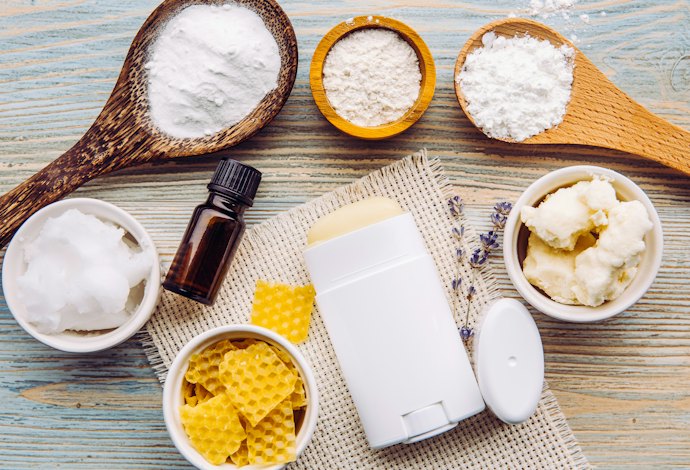
If you would like to avoid aluminum-based antiperspirants, natural ingredients like arrowroot powder, tapioca starch, clay, activated charcoal, cornstarch, or baking soda absorb moisture to keep armpits dry, creating and maintaining an environment that's difficult for odor-causing bacteria to thrive.
Baking soda is a popular ingredient in natural deodorants for this reason. However, baking soda's alkalinity can disrupt the skin’s naturally acidic pH mantle, compromising its ability to self-moisturize and fight against bad bacteria.
Magnesium hydroxide or zinc ricinoleate are commonly used substitutes for baking soda that are less irritating. They both stay on the epidermis, so they fight smelly bacteria on the surface without being absorbed into the skin. They're also less alkaline than baking soda, supporting the skin's natural acidic environment.
Baking soda is great at both keeping the underarm dry and absorbing order. It is super absorbent, which also means it can soak up your skin's natural hydration. This can result in dry, irritated skin and outbreaks of eczema. Baking soda products can also leave a residue on clothes, so be wary if wearing any other color besides white.
Know About the Unwanted Effects of Some Ingredients

There has been growing attention towards the potentially negative effects of commonly used deodorant ingredients like aluminum, phthalates, and triclosan. Aluminum is great for keeping you dry by stopping sweat from leaving your body, which sounds great until you realize that you're getting in the way of a natural bodily excretion process.
Among the reasons for the push for aluminum-free deodorants are rumors that claim aluminum causes diseases like Alzheimer's and cancer. However, the evidence is inconclusive. Another major reason to avoid aluminum-based deodorants is to avoid yellow sweat stains.
Phthalates increase the longevity of fragrances and help them stick to your skin. It’s said that phthalates can disrupt sex hormones like androgen and cause infertility in men with long-term use. Fragrances themselves are great for masking unwanted odor, but they can be irritating for some people.
If a deodorant touts antibacterial or germ-fighting properties, it’s highly possible that the deodorant contains triclosan. Studies have found a link between triclosan and endocrine disruption and it's been banned by the FDA for use in hand soaps for this reason, but it remains a popular ingredient for deodorants.
Choose From Sticks, Gels, Creams, and Sprays

Sticks and roll-ons are the most typical form of deodorant for their portability and ease of use. They tend to offer smooth, even, and clean application.
Gels are light and cooling. They are a great choice if you want to avoid those white marks on your clothes. However, they can feel sticky, and it is important to let them dry completely before putting on clothes to minimize damage to clothes.
Sprays are convenient for those with armpit hair or those looking for a quick and easy refresh. However, sprays tend to contain alcohol, so those who shave their armpit hair or have sensitive armpits may experience dryness and itchiness. Creams are great for those with sensitive armpits or who want something gentler or more moisturizing.
If you are prone to dry skin, then avoid gels. These can cause irritated skin and further dry out the skin. On the other hand, since gels are so drying, they are great to use for excessive sweating. Creams tend to be more hydrating to the armpit, so I recommend these if you have sensitive skin.
10 Best Deodorants for Odor
| Products | Image | Click to purchase | Popularity | |
|---|---|---|---|---|
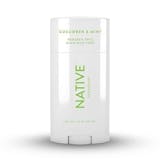
1 | Regular Deodorant Native |  | No.1 | |
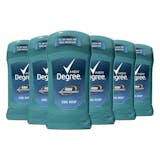
2 | Original Antiperspirant Deodorant Degree |  | No.2 | |
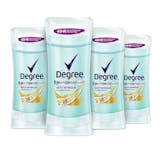
3 | MotionSense Antiperspirant Deodorant Degree |  | No.3 | |
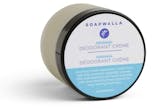
4 | Organic Deodorant Creme Soapwalla |  | No.4 | |
5 | Roll-On Deodorant Lafe's |  | No.5 | |
6 | Aluminum-Free Deodorant Each & Every |  | No.6 | |
7 | Underarm Deodorant Wipes Pacifica |  | No.7 | |
8 | Swagger Deodorant Old Spice |  | No.8 | |
9 | Charcoal and Magnesium Deodorant Schmidt's |  | No.9 | |
10 | Aluminum-Free Deodorant Kopari Beauty |  | No.10 |

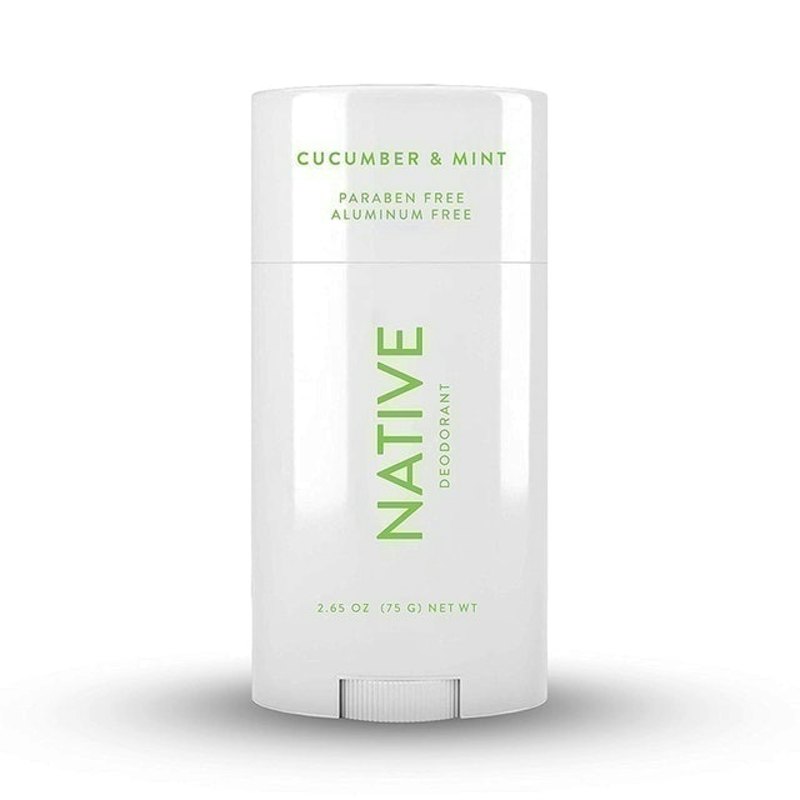
Native claims 24-hour protection against unwanted odor after use. Baking soda and tapioca starch offer protection from wetness, while probiotics may help correct your armpit microbiome. Shea butter provides skin conditioning, too!
Some reviewers experienced staining and allergic reactions, and a few thought their Amazon product might have been a fake, so we've included the official site for you. But most were happy with how well Native's deodorant worked for them. Not only was the scent pleasant, but it also lasted for a while even after a period of exertion.
DegreeOriginal Antiperspirant Deodorant
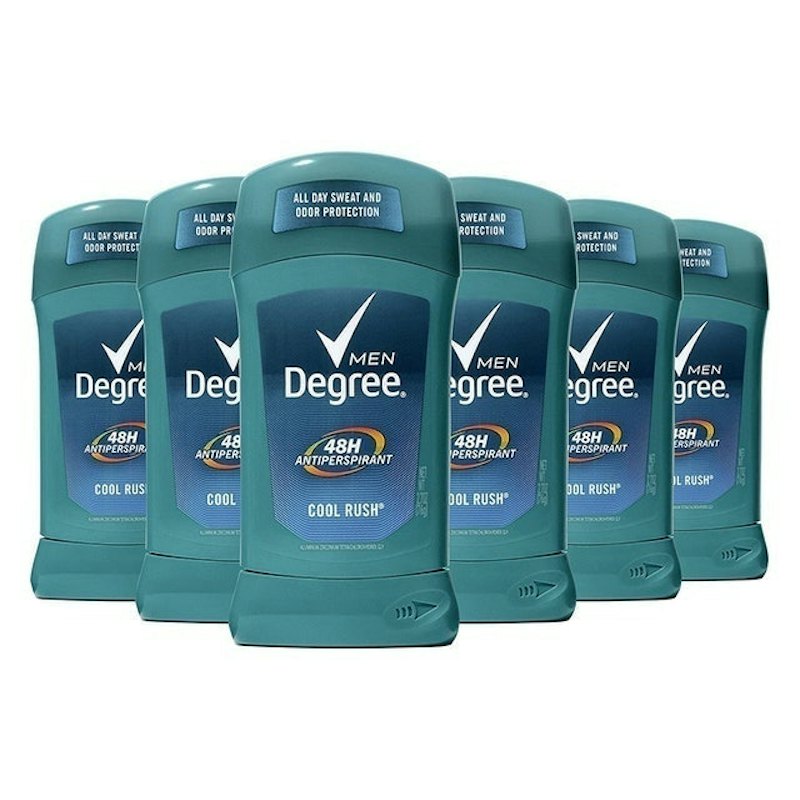
The antiperspirant prevents sweating in the first place, and the deodorant aspect masks odor that does form with a crisp and cool scent. This is a great choice if you suffer from excessive sweat as well as odor.
Some reviewers mentioned that this deodorant stained their clothes and that it was a pain to get out. Others thought the Amazon product might be fake, so we've included another link for you.
However, many reviewers claim this deodorant to be the best on the market and have been loyal users for a long time. Reviewers have found this deodorant to be reliable even on their hottest and sweatiest days.
DegreeMotionSense Antiperspirant Deodorant
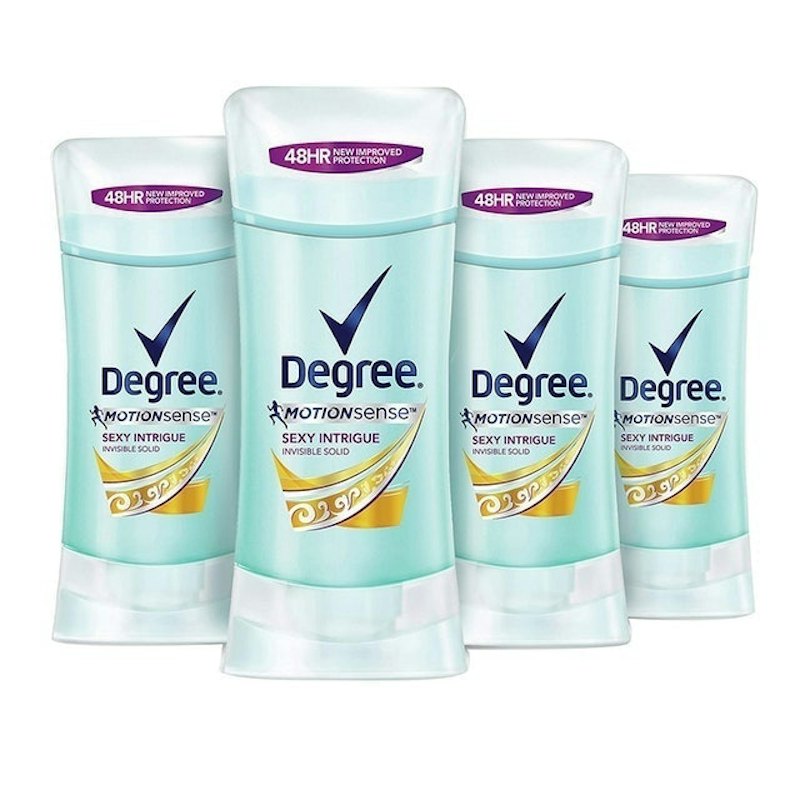
This deodorant promises 48 hours of sweat and odor protection and microcapsules in the deodorant work by breaking when you move, promising a burst of scent during active times. They describe the scent as a blend of amber, jasmine, rose and vanilla.
Some users found that the deodorant left their clothes with sweat stains. However, most reviewers loved this deodorant and many have been dedicated, long-time users. The scent was a crowd favorite and is not too strong and not too subtle. Even those with sensitive skin found this deodorant to be gentle on their skin.
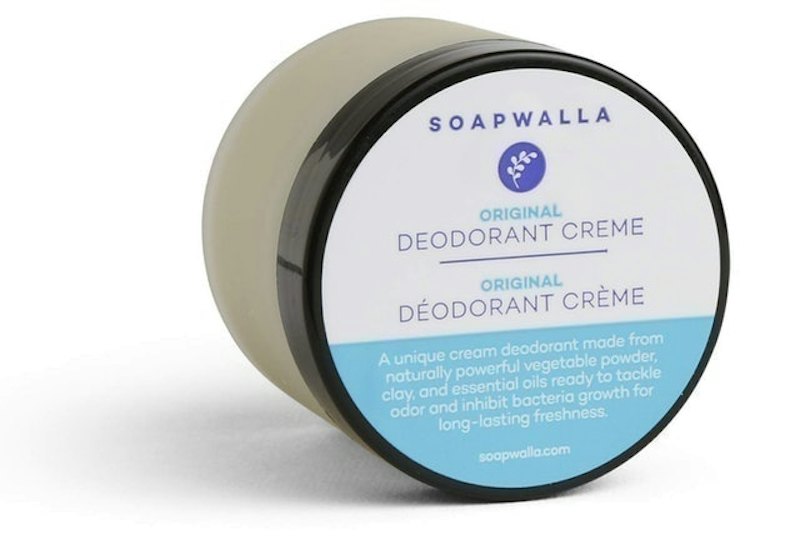
Using natural moisture-absorbing and bacteria-fighting ingredients like vegetable powders, clay, and essential oils, this deodorant cream keeps odor from forming or sticking around.
Since this is a cream, some users found it inconvenient or messy to apply. They especially warn those with long fingernails that it is difficult to get the cream out of the jar. Some also experienced rashes.
Reviewers who were regular aluminum-based deodorant users found that this cream did a good, if not better, job at keeping their armpits dry and stink-free. Users also stated that a little bit goes a long way.
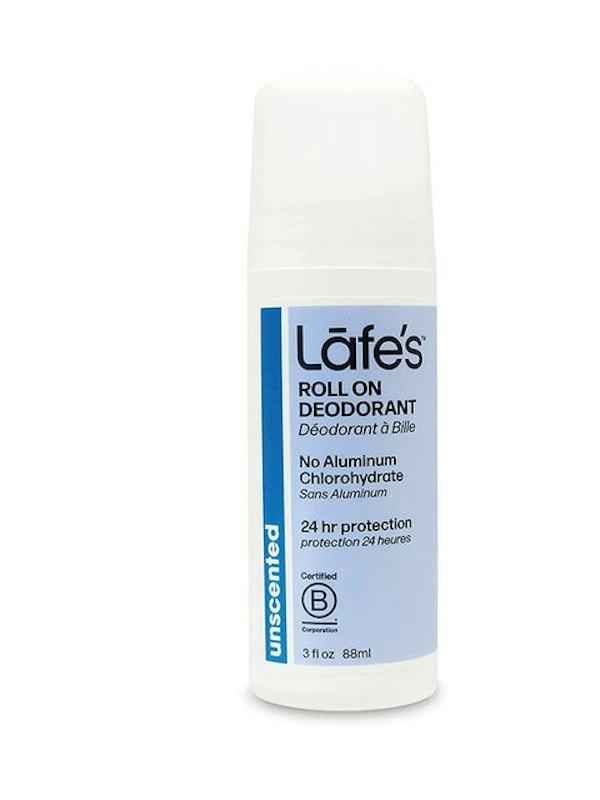
This deodorant is free of aluminum and triclosan, as well as common irritants found in natural deodorants, like baking soda. Instead, it uses aloe vera, witch hazel, and potassium alum mineral salts, which are antibacterial and antimicrobial, to keep bad smells at bay.
Several reviewers complained that the deodorant was leaky or quite wet upon application. However, this was a very effective deodorant for most, even active reviewers. It isn't an antiperspirant, but the sweat they produce was odorless and remained that way until the end of the day.
Each & Every Aluminum-Free Deodorant
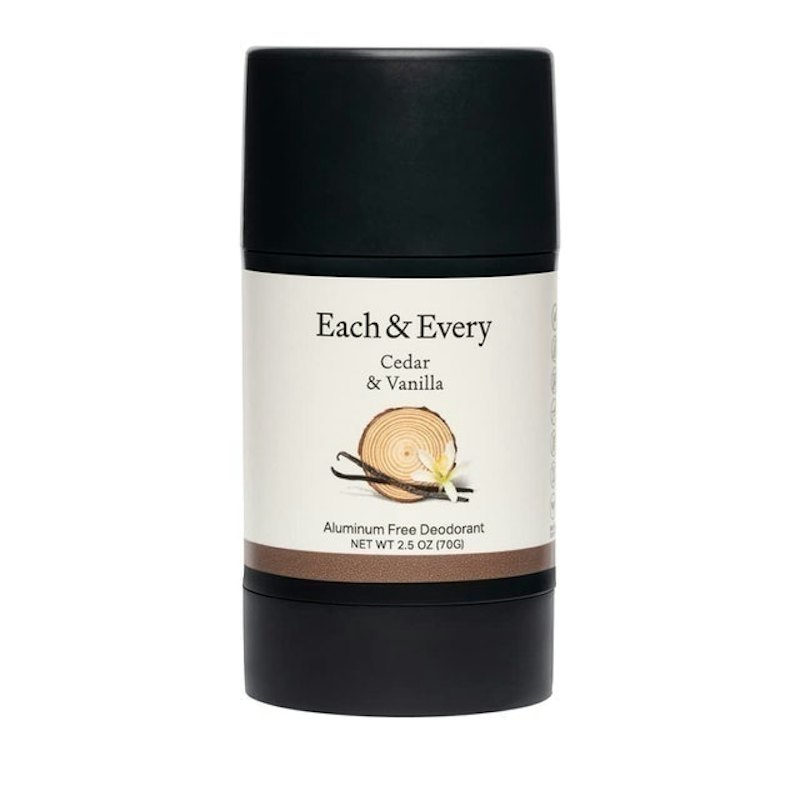
This natural deodorant uses non-irritating ingredients for a gentle deodorant that's suited for everyone, including those with sensitive skin. All fragrances are unisex and made with a blend of essential oils. The packaging is plant-based and EWG certified, resulting in a package that is nice to the earth.
Some reviewers cautioned active people or heavy sweaters to keep their expectations low, as they found themselves having to reapply several times throughout the day since the scent tended to wear off. A few reviewers also said the deodorant left an oily residue on their clothes.
However, many reviewers loved how gentle this deodorant was. The texture was creamy and pleasant to apply, and it generally worked well for them to keep odor at bay.
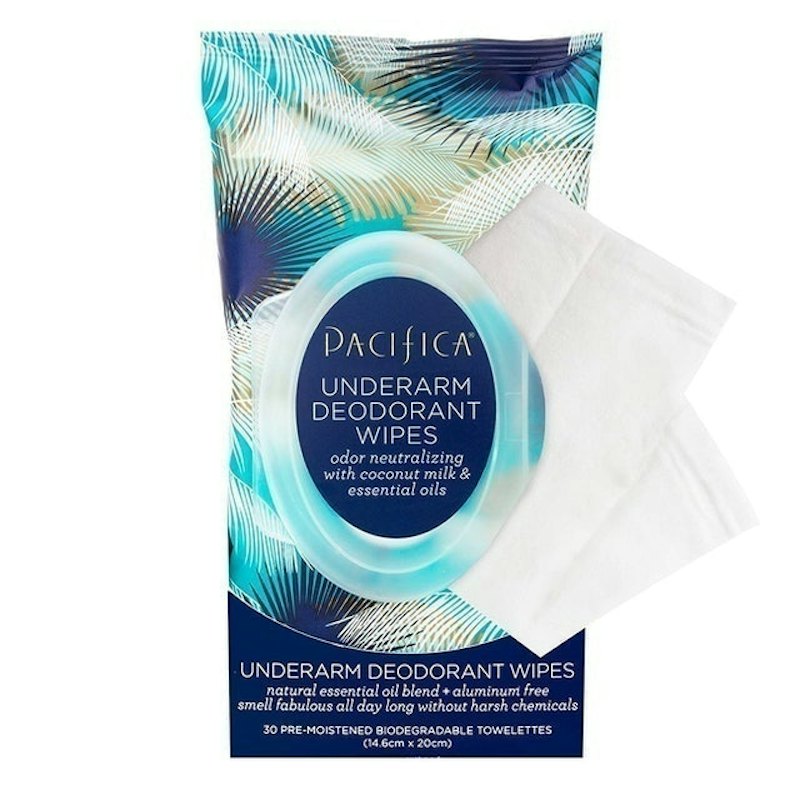
These deodorant wipes are made with ingredients that aim to neutralize odors first and foremost and leave behind a subtle scent that keeps you smelling fresh and clean. The wipes are a good alternative for those who don't want to carry a deodorant stick with them all day, making them a portable option to maintain odor protection.
The coconut smell was a bit strong for some reviewers' noses. However, the vast majority found that the smell dissipates over time.
Reviewers loved these wipes for freshening up midday or between showers. Some preferred the wipes to stick deodorants because they felt that the wipes helped remove odors as much as they covered them up.
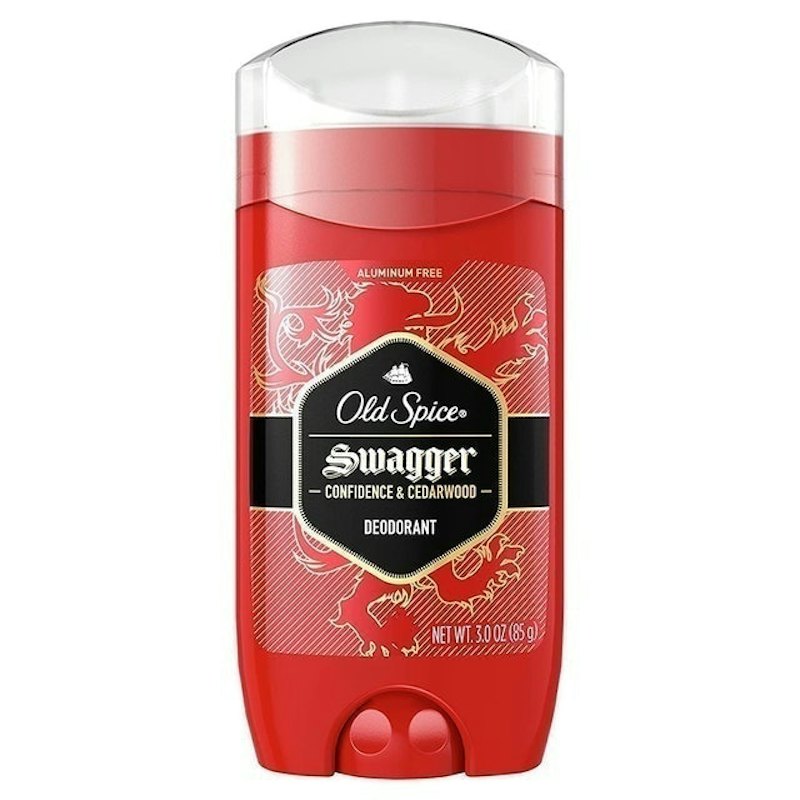
This deodorant doesn't eliminate bacteria or stop sweat, but it has strong lime and cedarwood scents to cover and disguise unwanted body odor. It also promises 24 hours of freshness, so there are no worries of having to reapply.
Some reviewers experienced a painful, burning irritation from this deodorant. If you have sensitive skin, this deodorant may not be a safe choice.
Although Old Spice pushes the masculine, manly-man aspect of deodorant, many women use this deodorant and enjoy the smell on themselves as well. Reviewers, regardless of gender, found this deodorant sufficient in keeping them smelling fresh all day. The gel also was easy to apply and didn't leave a stain on clothes.
Schmidt'sCharcoal and Magnesium Deodorant
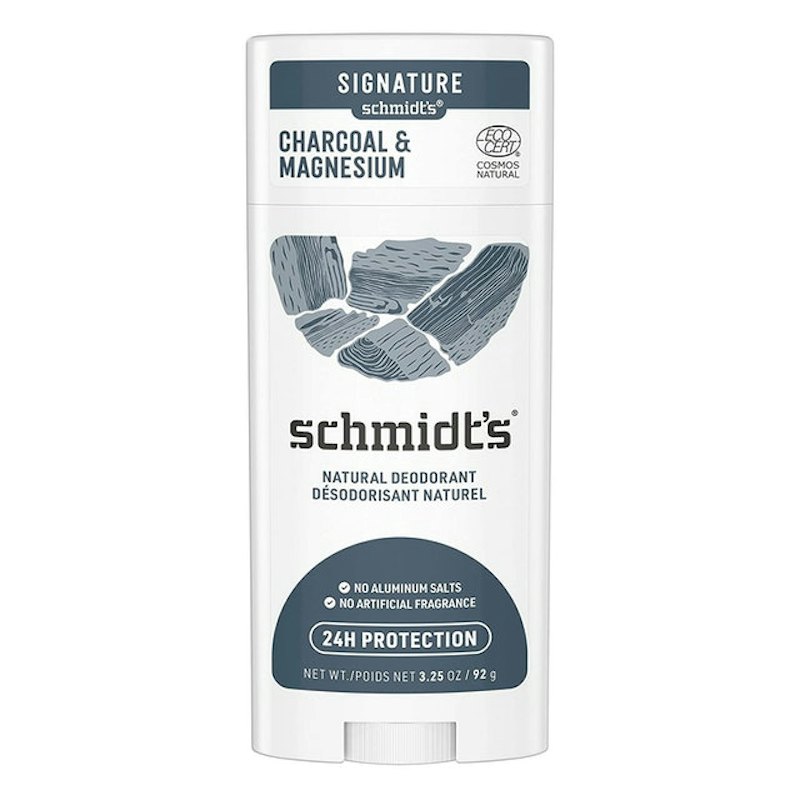
This deodorant uses magnesium hydroxide, baking soda, and activated charcoal to neutralize odors and promote dryness. Essential oils are blended to make a smell that is "reminiscent of freshly fallen rain."
The deodorant caused irritation and rashes for some reviewers. We have also included several links because some suggest the Amazon product was different than what they got elsewhere.
However, this was a holy grail for many, effectively keeping them stink-free for the day. The smell of the deodorant wasn't too strong and stuck around rather than faded as the day went on.
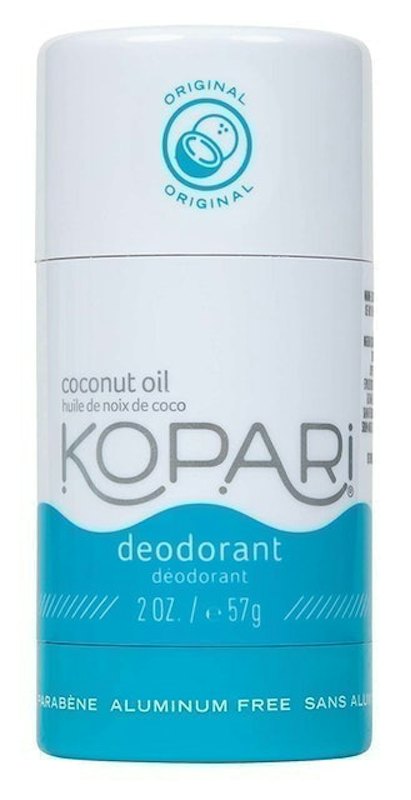
Made with 100 percent plant-based ingredients, this deodorant uses the natural antimicrobial and antibacterial properties of organic coconuts to fight odor.
Some reviewers experienced painful reactions or found the deodorant stopped working for them after around three weeks. A few people also mentioned that reapplying the deodorant didn't help to cover odor once they started to smell already.
More reviewers found this deodorant moisturizing and effective for their body odor. The coconut smell was pleasant, and they liked how smooth the application was.
Dr. Levy's Recommended Deodorant for Odor
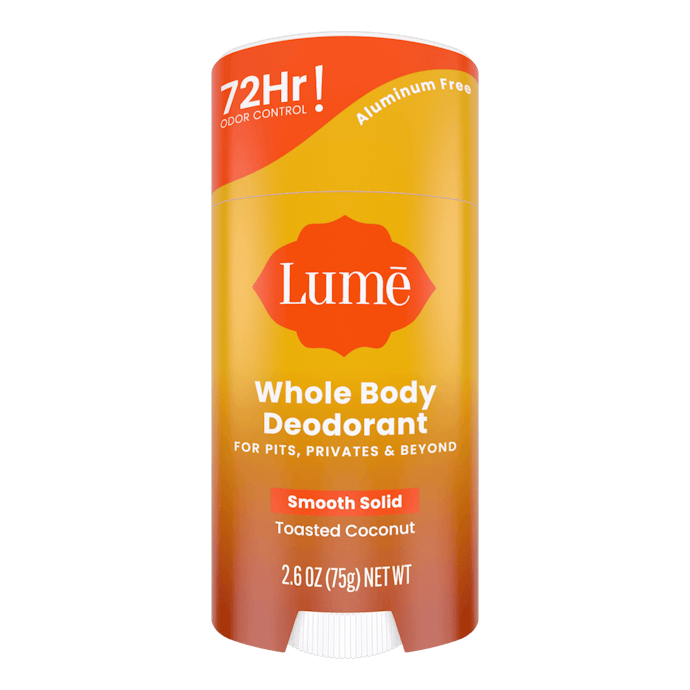
I often recommend Lume deodorant to my patients as an aluminum-free product that is extremely effective at reducing odor. It was created by an ob/gyn and is backed by clinical studies showing odor reduction.
I also like the fact they have products for other areas besides the armpits that can significantly reduce odor for long periods of time. Besides being aluminum free, it is also baking soda-free (won’t leave a residue on your clothes), and it's sulfate-free and vegan.
Frequently Asked Questions
In addition to reviewing and commenting on our buying guide, Dr. Levy also took the time to answer some commonly asked questions about body odor and deodorant.
Can deodorant make you smell worse?
Dr. Levy says, "Deodorants do not make you smell worse because they reduce the number of bacteria in the armpit, which leads to less odor. Odor from sweat is caused by bacteria that reside in the armpit. The bacteria metabolize the sweat and produce odor.
However, antiperspirants, which reduce sweat, do not address odor, so if you are using an antiperspirant (these are usually aluminum-based), then you may still note an odor. Some studies show that antiperspirants actually alter the bacteria composition in your armpit, which can lead to increased odor, so using an under-arm product with antiperspirant and deodorant properties is probably best if odor is your main concern."
How can I reduce body odor without deodorant?
"Foods we eat can be released through sweat. Think of this as your body’s way of detoxifying," Dr. Levy explains. "Reducing intake of foods that are known to cause an odor, such as broccoli, cauliflower, garlic, cumin, and cayenne pepper, to name a few, can reduce body odor.
Other ways to reduce odor without using a product include washing your armpits with an antibacterial soap to reduce the bacteria load in the area. Examples include a benzoyl peroxide wash or CLN body wash."
Looking for More Deodorants to Stay Smelling Fresh?
It's always a good idea to thoroughly look at your options before buying something you'll use every day. If you're still not sure which deodorant can work best for you, try checking out some more products.


In Collaboration With Board Certified Dermatologist Dr. Lauren Levy
This expert reviewed the contents of the buying guide for accuracy and provided factual corrections when necessary, as well as extra tips and advice. They did not participate in the product selection process, nor are they affiliated with any of our choices unless explicitly stated so.
The descriptions of each product are referenced from content available on manufacturer, brand, and e-commerce sites.


