
10 Best Deodorants for Excessive Sweating in 2022 (Dermatologist-Reviewed)
Have you heard of hyperhidrosis? If you find yourself sweating when you're just sitting there, or even when it's cold, you know how embarrassing and uncomfortable excessive perspiration is. Not to worry, there are combination deodorants and antiperspirants, so you'll smell great and stay dry. You just need to find the right one!
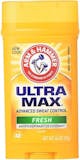
We've searched for some of the best and user-approved deodorants for excessive sweating and compiled a list. Arm & Hammer UltraMax Antiperspirant Deodorant is our favorite, because it blocks sweat, absorbs wetness, and fights odor. We found nine other great options and included a buying guide to help you pick out the best deodorant to stop stinky pits and wetness.

Dr. Levy is a board certified dermatologist practicing in NYC and Westport, Connecticut. She has expertise in treating inflammatory skin conditions like acne, rosacea, eczema, and psoriasis. She has an interest in skincare and takes a personalized approach to all of her patients.

mybest US' editing team consists of experienced members who have backgrounds in writing, editing, translation, and more. We are dedicated to researching what makes a product or service the best to users in the US in order to create top-quality articles. From skincare, to kitchen appliances, and to DIY supplies, our mission is to find the best ones for you.
The expert oversees the Buying Guide only, and does not determine the products and services featured.
Why You Can Trust Us
Every mybest article is crafted with hours of in-depth research and interviews with experts. Each month, we are continually expanding our database of products based on our research. By emphasizing user insight and reliable information, we deliver trustworthy content to readers.
How to Choose Deodorants For Excessive Sweating
The buying guide below should get you started in picking the right deodorant for excessive sweating and odor control.
Go for a Combination Deodorant and Antiperspirant for Sweat-Stopping Capability
There is a difference between deodorants and antiperspirants. Deodorants address body odor by going after the bacteria that cause it, or by masking it with other fragrances. On the other hand, antiperspirants go straight to your sweat glands and reduce the amount of sweat produced.
Check the Formula for Sweat-Controlling Ingredients

Antiperspirants contain aluminum salts to block your pores from producing sweat. Common compounds are aluminum chloride, aluminum zirconium tetrachlorohydrex gly, and aluminum sesquichlorohydrate. While they all are effective at stopping sweat, they have slightly different properties.
The most common, aluminum zirconium, is less irritating to the skin than aluminum chloride. But aluminum chloride is a more powerful sweat blocker and used in high concentrations in prescription products. Salicylic acid can neutralize much of the irritating hydrochloric acid it forms, so some products contain both.
Aluminum sesquichlorohydrate is the most gentle, and also provides long-lasting results. This is a great form to look for if you have sensitive skin. Finally, check the percentage of aluminum used in the product, as this affects how well and for how long it works.
While safe for general use, experts advise refraining from aluminum-based deodorants if you have certain conditions such as kidney disease. You may also want an aluminum-free product if you're worried about stains on your shirts since the acidic mixture created when aluminum and sweat mix can lead to the yellowing of white fabric.
You can find aluminum-free deodorants with ingredients such as talc, charcoal, baking soda, arrowroot powder, tapioca starch, or corn starch, which absorb moisture. While these don't stop sweat in its tracks the way aluminum does, they can provide some protection against wetness if you want to avoid aluminum.

If you have excessive sweating, a product with aluminum is really the best one to use. The aluminum blocks sweat glands and prevents sweat from being released. There is no evidence that these products cause breast cancer. Look for a higher concentration of aluminum if your regular antiperspirant is not doing the trick.
Look for Ingredients to Address Odor-Causing Bacteria
Body odor isn't caused by your sweat itself but is a byproduct of the bacteria that live on your skin. So, deodorants often have antibacterial ingredients to stop odor. Triclosan has been phased out by some manufacturers due to health concerns but is still found in other formulas. Alcohol is another frequently-included antibacterial ingredient.
Magnesium hydroxide, zinc ricinoleate, silver, and copper can all reduce bacteria, with magnesium and zinc being especially popular in deodorant. Other things to look for on the label are coconut oil, baking soda, aloe, and essential oils.
Coconut oil works to neutralize bacteria and can also soften and moisturize your skin. However, you may find that it leaves your armpits feeling less than dry. Aloe is also known for moisturizing the skin while preventing bacteria buildup and is less greasy.
Meanwhile, deodorants with essential oils like tea tree, lavender, and peppermint can also reduce bacteria. Essential oils provide a pleasant aroma, too, but they are a common skin irritant, so use them with caution, especially if you shave your armpits.
Baking soda is a great odor absorber, but unfortunately, it can also cause skin problems. Baking soda is highly alkaline, while the skin is acidic, so it can lead to dryness or rashes.
The odor from sweat is caused by bacteria on the skin. Certain ingredients can reduce the bacteria there to prevent odors. If you have a history of eczema or sensitive skin, avoid essential oils as these can lead to flares of eczema. Tea tree oil is an all-natural ingredient that can kill bacteria and fungus; however, some people can still be allergic to this ingredient.
Choose Between a Spray, Roll-On, Gel or Solid Deodorant
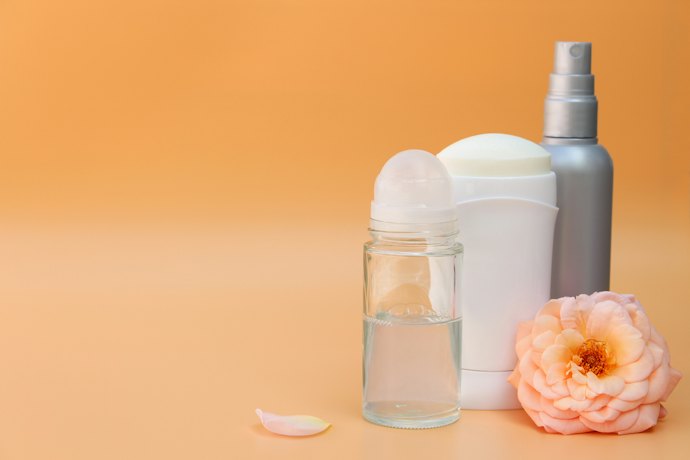
Gel and solid deodorant types are ubiquitous. Gel deodorants have thicker consistencies, so don’t apply too much. Solid deodorants are usually opaque instead of transparent, which may leave a white residue on the skin or clothes.
If you’re looking for a quick approach to refreshing the body, a spray deodorant is advised. Because they dry fast, you don't have to wait long before getting dressed.
A roll-on deodorant leaves an even and consistent amount of product on the skin and dries quickly, too. They're also clear, so you won't have to worry about white marks on your shirt. However, with any type of deodorant, your safest best against stains is to let it dry before getting dressed.
10 Best Deodorants For Excessive Sweating Ranking



Pros:
Cons:
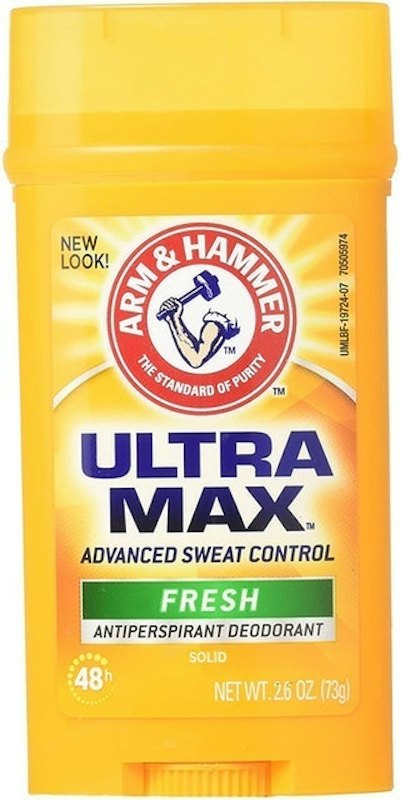
You can expect this brand to contain baking soda, which is known to eliminate odor, while the fragrance in the formula covers any stink that escapes its grasp. It blocks sweat with aluminum, and also contains powdery talc and corn starch to further help you stay dry.
A few reviewers thought this one had an overwhelmingly manly scent, but other versions are available. Many have been using it for years, and say they like the texture as well as the strong aroma.
Pros:
Cons:
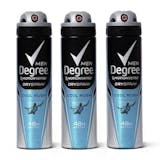
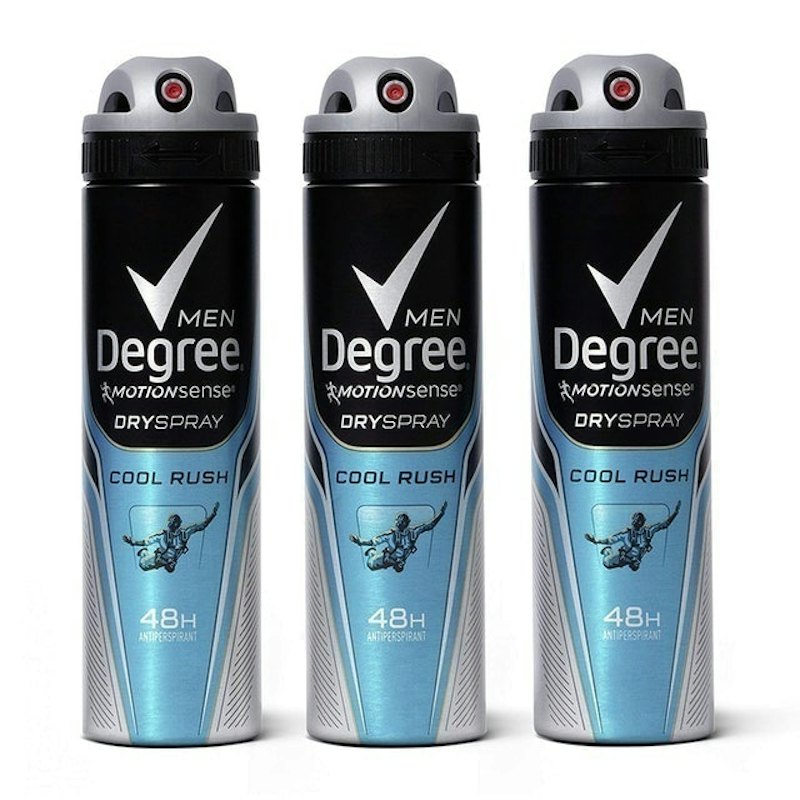
This spray caters to your preference for a lighter and easier-to-apply product that still keeps you dry and fresh for hours. It uses aluminum chlorohydrate, a less commonly used form, which is excellent at blocking your pores to prevent perspiration from escaping.
A few reviewers had issues with the can itself and said the spray function didn't release the product evenly unless they shook it a lot. As with all spray deodorants, they recommend not spraying it in a small, closed space, because the scent lingers.
Pros:
Cons:
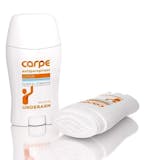
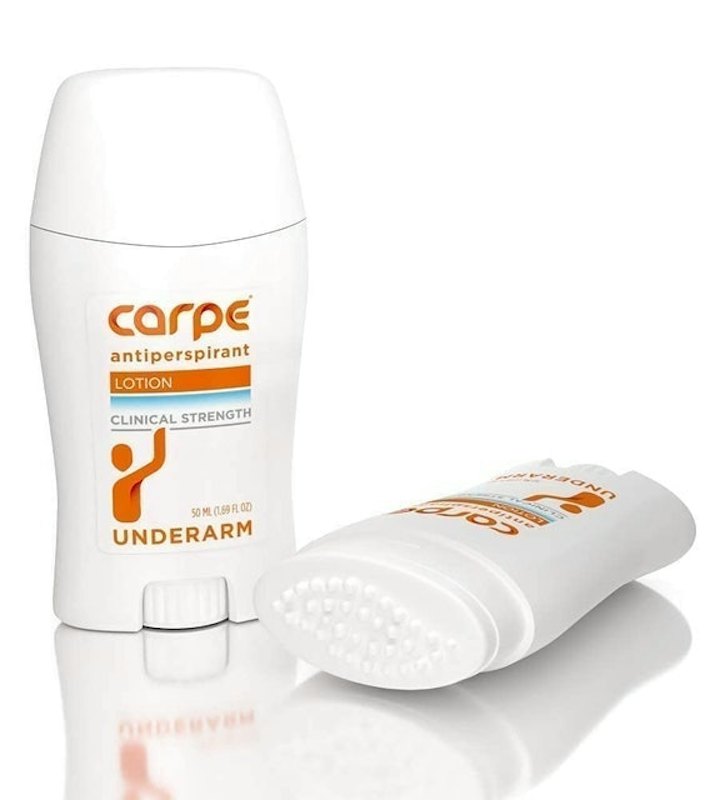
With a unique lotion consistency in a push-up dispenser, this product may be good if stick deodorants feel too rough for you. It still has powerful sweat-blocking aluminum, as well as eucalyptus oil for aroma and to kill smell-producing bacteria.
Some reviewers say the dispenser is tricky to use. It's recommended for twice-daily use, and they say it takes about 30 seconds to dry fully.
Pros:
Cons:
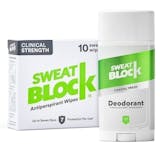
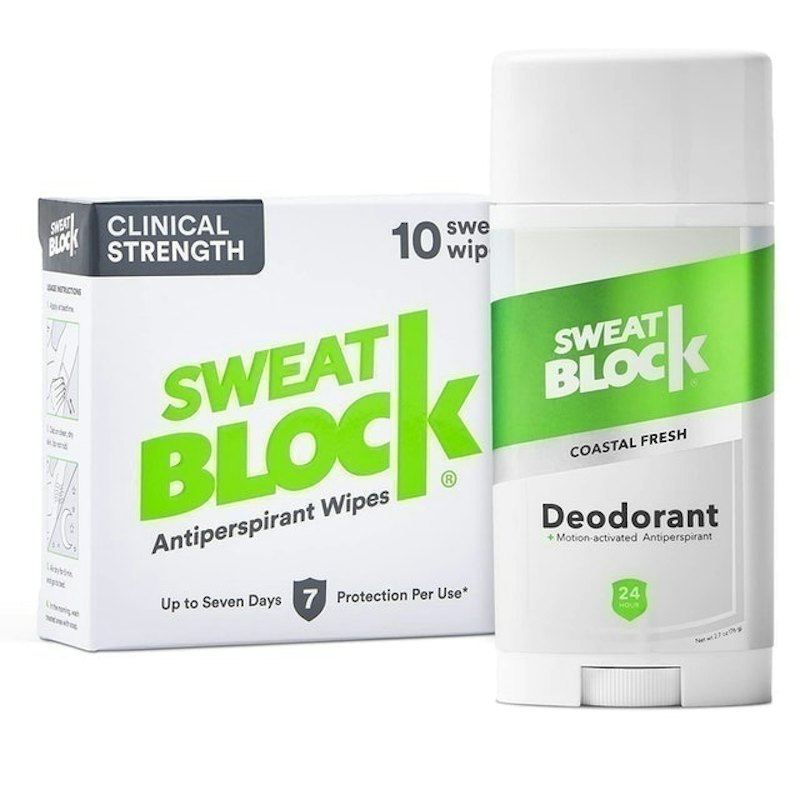
This combo of deodorant and antiperspirant wipes can address excessive sweating and hyperhidrosis and prevent odor buildup, too. The wipes address extreme sweat situations, and the deodorant stick controls your day-to-day sweatiness and odor.
According to some reviewers, the wipes caused itching, which is a common complaint with the chloride form of aluminum. You should avoid shaving a day or two before using the wipes. Many have had great results with no rashes or irritation.
Pros:
Cons:
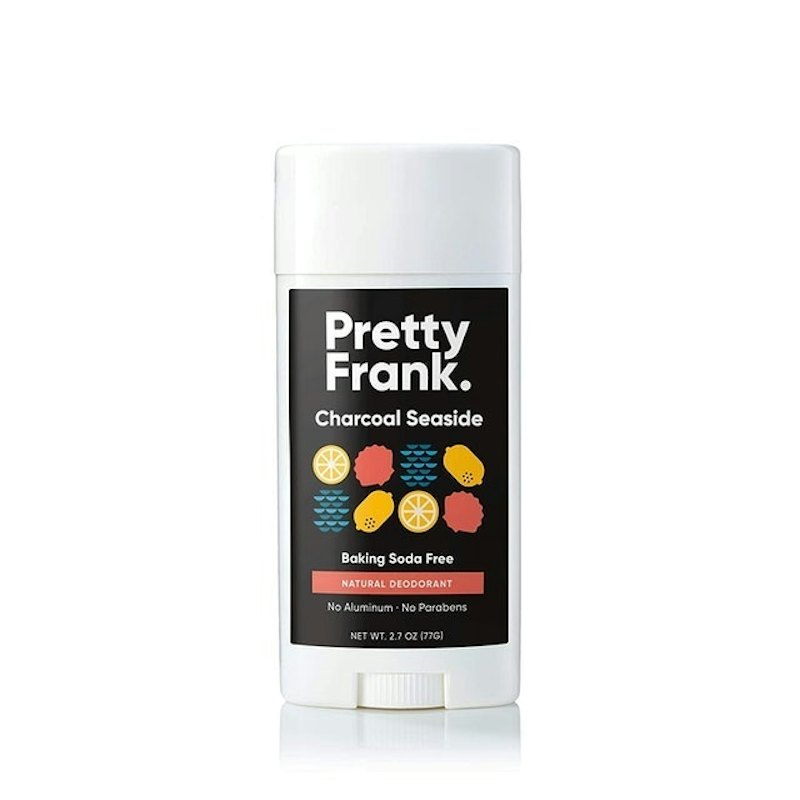
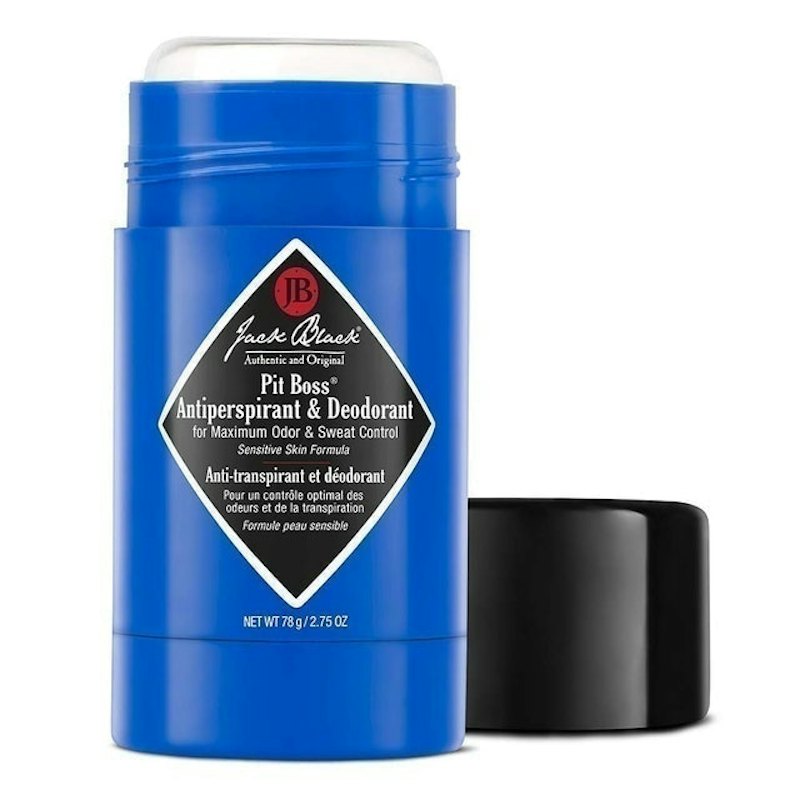
Shea butter, vitamin E, and coconut oil all make your skin soft, while the coconut doubles as an effective antibacterial. Combined with magnesium, zinc, and essential oils, odor-causing germs will have few places to hide. This deodorant won't actually stop your sweat, but it can absorb it so you feel drier.
Reviewers do caution that the charcoal leaves a bit of a gray cast and can stain clothes, but most of their formulas omit it, so you have choices. They say that with this, even if they do sweat, it doesn't smell bad.
Pros:
Cons:
On top of the 20 percent aluminum zirconium tetrachlorohydrex gly for excessive sweat blocking properties, this deodorant also includes vitamin E and aloe, making it more gentle on the skin.
A few reviewers said that the stick ran out quicker than expected. Still, many liked that it only had a mild scent that left them smelling clean and was easy on their skin.
Pros:
Cons:
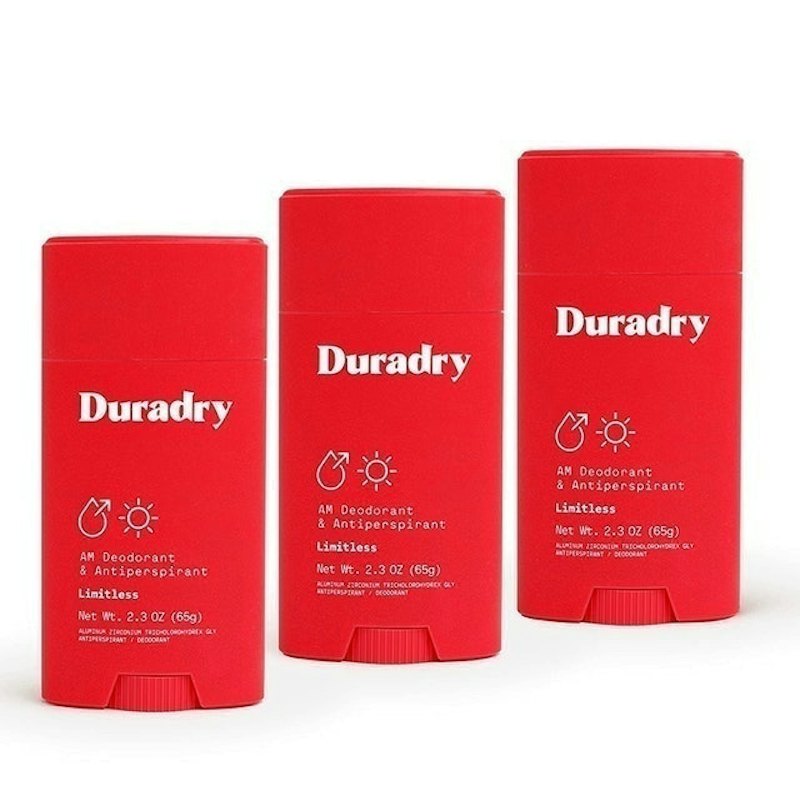
This antiperspirant doubles as a deodorant and is available in four different fragrances from floral to outdoorsy to suit any user. The product goes on creamy yet dries quickly, which makes it great for mornings when you don't have time to wait before getting dressed.
A few reviewers said the container broke and they couldn't dispense the product easily. Others say it's most effective as part of a total regimen: Duradry's wash, PM antiperspirant, and this one in the morning.
Pros:
Cons:
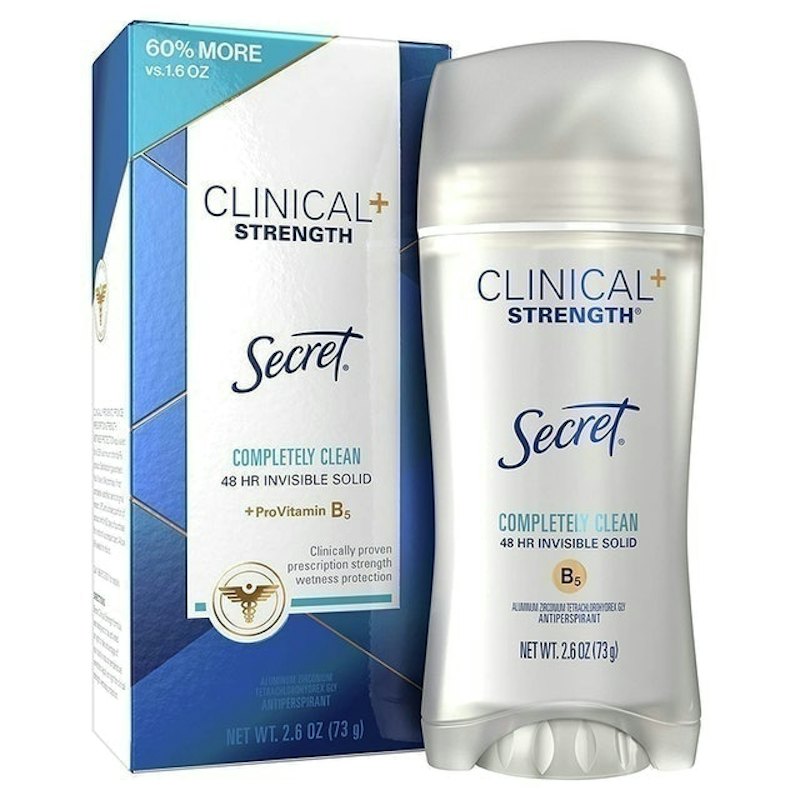
This antiperspirant offers clinical strength pore-blocking capabilities to limit excessive sweating from stress, activity, or heat. The stick form goes on dry, and it also comes in a clear gel that won't leave any white marks.
A patch test might be advised if you have sensitive skin because a few reviewers noted a rash after using it. On a positive note, many others said this stayed effective longer than they expected to control odor and sweat.
Pros:
Cons:
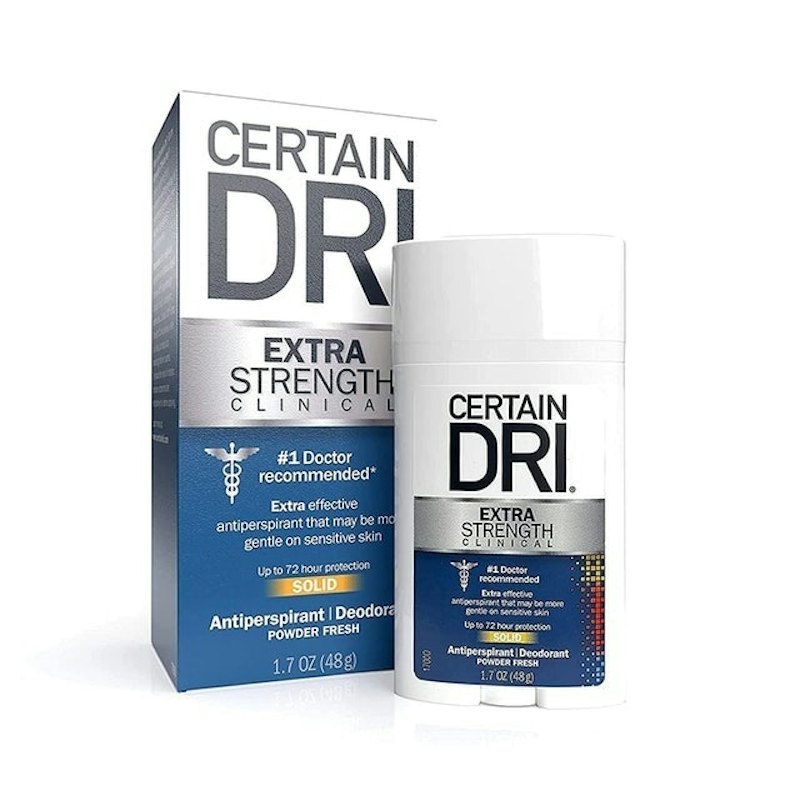
Certain Dri is a well-known name in antiperspirants, and this version offers a deodorant function as well. It has a powdery fresh scent, and uses 25 percent strength aluminum sesquichlorohydrate, a gentle but highly effective sweat blocker.
Some users found this, which is a solid stick type, was less comfortable to apply than Certain Dri's roll-ons. Others prefer how this goes on dry, but they stress not to apply it right after shaving!
Pros:
Cons:
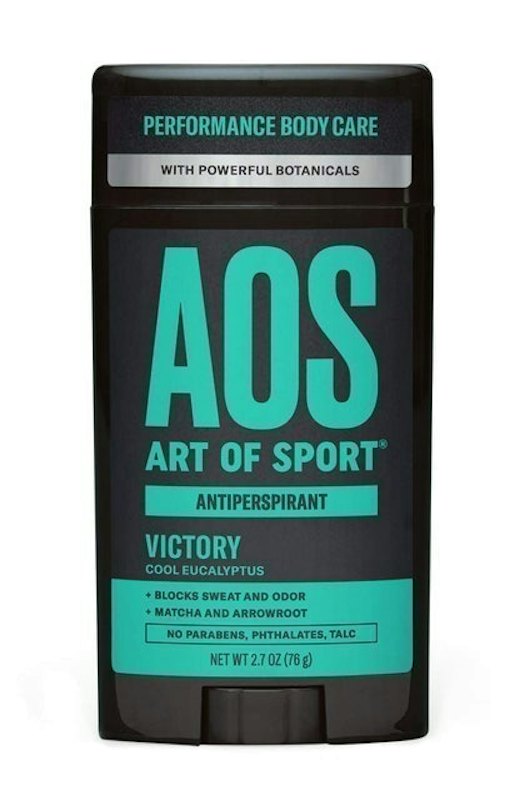
This antiperspirant and deodorant is infused with matcha green tea, which has anti-inflammatory properties, so it may help calm your skin and alleviate itching.
A few reviewers complained that the product could leave white residue or flakes and was hard to wash off. Buyers were also divided on the scent, with some saying it was too immature, and others saying it reminds them of a wonderful cologne. Most agree it does have a strong smell!
Tips to Get the Most Out of a Deodorant for Excessive Sweating
Use your deodorant only on clean, dry skin to prevent the product from causing irritation, mixing with sweat or limiting its efficacy. The best time to apply antiperspirant is at night, to give the product more time to work. This also means less residue on your clothes the following morning.
Experts advise switching deodorants every six months if a particular brand seems ineffective, to give the skin enough time to test the product. Furthermore, you can also change your deodorant after this time frame if your skin has become resistant to your current brand.
Many of these high-aluminum-content deodorants have ethanol in them, which also helps keep the underarm dry. When ethanol is applied to newly shaved skin, an irritant reaction can occur with skin redness and burning pain. Do not put these products on immediately after shaving.
These products are most effective when put on at night to allow the aluminum to bind to the sweat glands. If you forget to use it at night, do not fret, as the deodorant will still be effective throughout the day.
Frequently Asked Questions
In addition to reviewing our buying guide, Dr. Levy also answered some commonly asked questions on the Internet.
What causes excessive sweating?
"Excessive sweating, or hyperhidrosis, is caused by overactive sweat glands," Dr. Levy explains. "The part of the nervous system that controls the release of sweat is working overtime in this medical condition. Some medications can also cause increased sweating, so if you experience hyperhidrosis, check to make sure this is not a side effect of your medications.
Hyperhidrosis can occur in the armpits but may also affect the hands, feet, face, and torso. Antiperspirant deodorants can be helpful for this condition as well as prescription wipes and oral pills, which block the release of the molecule that causes the gland to release sweat."
What do you recommend for excessive sweating?
Dr. Levy says, "I usually recommend CARPE or Certain Dri to my patients as over-the-counter options. When that fails, prescription Drysol, which is 20% aluminum chloride, or Qbrexa Towelette Wipes are the next steps."
Is deodorant bad for you?
Dr. Levy says, "Deodorant is not bad for you, and no conclusive studies have shown that it causes cancer or other systemic diseases. Sometimes, deodorants can cause rashes or skin irritation that can be frustrating, itchy, or painful. However, these usually resolve with stopping the product and switching to a different one."
Looking for More Effective Deodorants?
Check out these deodorants and antiperspirants that can keep you dry, comfortable, and smelling great.


In Collaboration With Board Certified Dermatologist Dr. Lauren Levy
This expert reviewed the contents of the buying guide for accuracy and provided factual corrections when necessary. They did not participate in the product selection process, nor are they affiliated with any of our choices unless explicitly stated so.
The descriptions of each product are referenced from content available on manufacturer, brand, and e-commerce sites.


