10 Best Daypacks for Hiking in 2022 (Outdoor Guide-Reviewed)
Hiking is a difficult activity on its own, so you want to make sure you have as light a load as possible. So when you're trying to find a way to carry essentials without having a lot of weight, daypacks are the way to go! They are usually equipped with hydration pouches and hiking-specific features to make your journey more enjoyable.
We searched the internet for 10 of the best daypacks for hiking, and we've ranked the Oasis 1100 Hydration Pack from Teton Sports at number one. It's colorful, versatile, and durable. And a big bonus is that it's made from ripstop nylon, making it extremely durable and long-lasting. There are daypacks in all styles and structures, so if this one doesn't quite suit your tastes, check out the rest of our list. And read on to the end for a buying guide reviewed by an outdoor guide!

My name is 박 (Pak). I am a first-generation Korean American who has worked in the outdoors for 6 years as a guide. Now I'm enjoying traveling around with my bicycle and spending time outdoors with my dog Gaara.

mybest US' editing team consists of experienced members who have backgrounds in writing, editing, translation, and more. We are dedicated to researching what makes a product or service the best to users in the US in order to create top-quality articles. From skincare, to kitchen appliances, and to DIY supplies, our mission is to find the best ones for you.
The expert oversees the Buying Guide only, and does not determine the products and services featured.
Why You Can Trust Us
Every mybest article is crafted with hours of in-depth research and interviews with experts. Each month, we are continually expanding our database of products based on our research. By emphasizing user insight and reliable information, we deliver trustworthy content to readers.
How to Choose Daypacks For Hiking
It's easy to get lost in all the technical terms, but stay focused on your non-negotiables and you'll find the right daypack for you. In this buying guide, we'll help you break down the important features to help you find your perfect match.
Make Sure Your Pack Is a Good Size for Your Waist and Shoulders
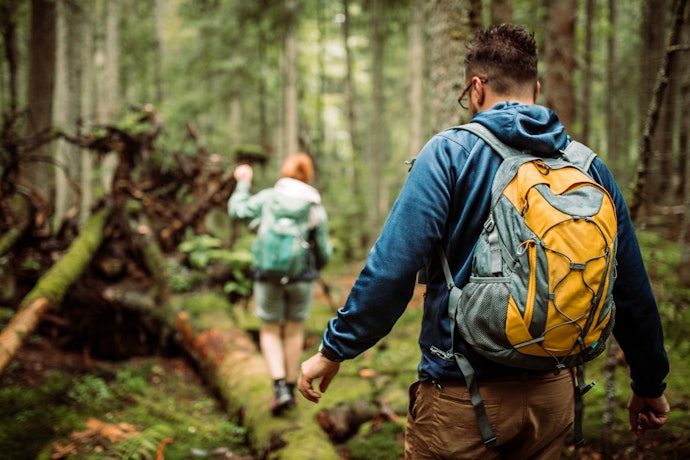
The general rule of thumb when it comes to fit is that the pack should sit comfortably on your shoulders. A good test of fit is to position the hip belt about one finger width above your hip, then see how your shoulder straps land from there.
If there is a gap, the pack is likely too long for your torso. On the other hand, according to REI, “if the straps wrap more than a few inches down your back before they connect to the pack, the pack might be too short.”
For online shoppers, the product descriptions include the torso length measurement. If you can’t make it out to a store, use the numbers to help you determine the right size for you. You can also find daypacks in smaller sizes for people with smaller frames, like women and children.
Choose a Capacity Depending on the Length of Your Hike
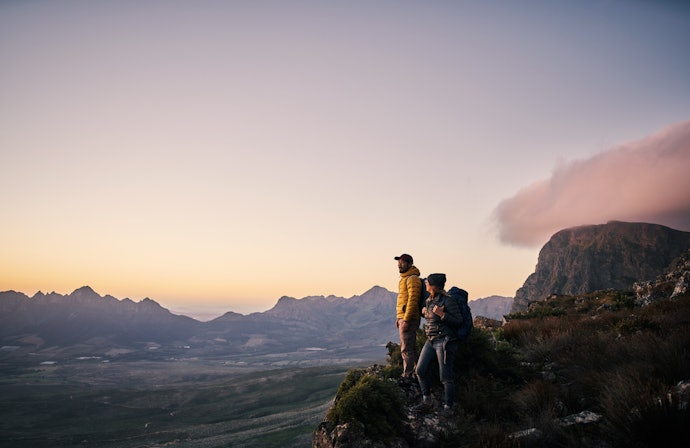
Daypacks can range from small, medium, and large. A good size for a day hike is about 18 to 35 liters. This is just enough for snacks, water, and light clothing. If you find that you are more regularly doing longer or overnight hikes, 36 to 50 liters may be better for you because you will need more room to pack food and clothes.
If you want a bag that is slightly larger than what you need on average, there are bags with compression straps to minimize your pack size when you are not using it up to the brim. These compression straps can also hold things such as trekking poles, so this is an option to consider for those who like to be extra prepared.
Look for Durable Nylon or Polyester Bags

There are many different types of fabrics and fabric combinations that can be used in daypacks, and it can be overwhelming trying to choose between them. Luckily, it can all boil down to two main fabrics: nylon and polyester.
Nylon is made up of lots of different plastics, or polyamides, which is sometimes used to refer to nylon. The melted polyamides are woven together to form a strong, durable, and abrasion-resisting fabric. It ends up also being fairly water and moisture resistant, which helps in keeping mold and bugs away.
For added strength, nylon can be woven with a special strong fiber that's placed at specific intervals during the weaving process. The result is ripstop nylon, which is the strongest fabric for backpacks and is commonly used in durable heavy fabrics like sails and hot air balloons.
Polyester is the other commonly used fabric for backpacks. Similar to nylon, it is also made up of different plastics that are woven together. A key difference, however, is that polyester is much weaker, which is why it isn't the preferred fabric for backpacks.
That being said, it can be strengthened using a ripstop weave, similar to what's mentioned above, and overall polyester is much cheaper financially.
If you're still unsure of which fabric is best for you, follow this general rule of thumb. If you plan to travel a lot or use your backpack as check-in luggage at any point, ripstop nylon is better, and if you don't plan to do anything too strenuous, ripstop polyester will do just fine!
Check for Important Extra Features
There are many features to look out for to make your hike as smooth as possible. These are some of the most common ones we found.
Hip Belts and Sternum Straps Provide Stability

Hip belts and sternum straps are imperative to get additional stability during your hikes, especially on uneven terrain. These features also distribute your weight more evenly to relieve pressure from your shoulders and back. If you have any issues with pain, these features are extra important for you to look out for.

A hip belt is meant to transfer your pack's weight from your shoulders to your hips. It provides relief as you are able to adjust the pack on the fly from your shoulders to your hips depending on which straps you tighten. This allows you to find the perfect fit as you go along the trail.
Stay Hydrated With Hydration Sleeves and Water Bottle Sleeves

A hydration sleeve is a designated space to carry hydration reservoirs with a port for a hydration hose. There are also usually mesh pockets for water bottles. These features ensure you don’t suffer from dehydration on your hike. If you find yourself going on longer or more strenuous hikes, it's definitely worth investing in more hydration room.
Packs can have an extra sleeve to specifically place your hydration sleeve in as well as a hydration port that gives you space to thread the hydration hose through. Make sure that your water bottle sleeves are wide enough to fit your water bottles and for you to take them in and out easily while on the move.
Waterproof Bags or Raincovers for Ultimate Weather Protection
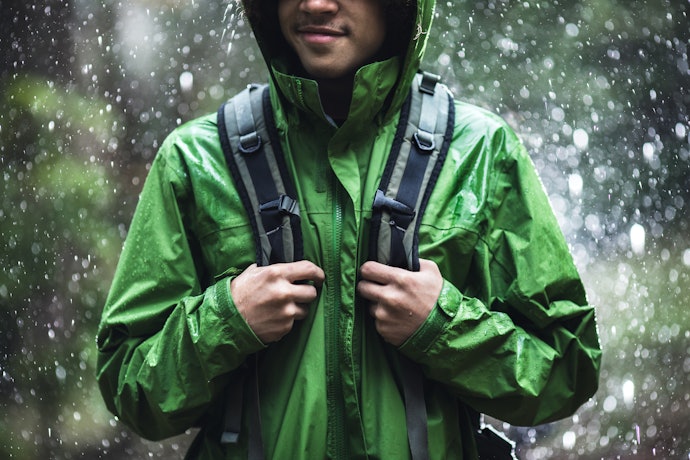
If you find yourself hiking in wet climates, consider a waterproof daypack. While most daypacks will be water-resistant at the least, waterproofing definitely adds a layer of definite protection. Some daypacks come with raincovers, which, true to their name, can protect your stuff against any rain that may come your way.
Raincovers can be purchased depending on the size of your pack. One of the best ways to waterproof everything in your pack is to place a durable pack liner inside the bag first and then place everything in the liner. Roll up the liner to prevent water from leaking into the bag.
Ventilated Back Panels for Extreme Heat and Sweat-Prone People

Ventilated back panels allow the bag to lie a few inches away from your back and are also made with mesh. They allow a steady airflow and prevent you from having too sweaty of a back during your hike. More importantly, they can help prevent heat exhaustion, helping you stay comfortable and at your best during your hikes.
Another alternative to a daypack and avoiding the sweaty back is to use a big fanny or belt pack instead of a backpack. A fanny pack is great for those shorter day hikes to avoid carrying things on your shoulders on long hikes.
Decide Between Zipper and Drawstring Closures

These features are all about accessibility and efficiency. The most common types of closures are zippers and drawstring closures. Zippers can come in two-way or single zippers, but drawstring closures don't have as much variety.
While a zipper closure may be more secure, a drawstring closure is much more efficient! In the same way, interior pockets may be more secure from rain and snow, but external pockets can be quicker and more convenient to reach.
10 Best Daypacks For Hiking Ranking
| Products | Image | Click to purchase | Popularity | |
|---|---|---|---|---|
1 | Oasis 1100 Hydration Pack Teton Sports |  | No.1 | |
2 | Stowaway Packable 20L Daypack Eddie Bauer |  | No.2 | |
3 | Flash 22 Print Pack REI Co-op |  | No.3 | |
4 | Black Hole 25L Travel Pack Patagonia |  | No.4 | |
5 | Luzon Daypack Cotopaxi |  | No.5 | |
6 | Crossbody Sling Backpack Waterfly |  | No.6 | |
7 | Bergtagen 30L Backpack|M0714 Sunhiker |  | No.7 | |
8 | Ultra-Sil Travel Day Pack Sea to Summit |  | No.8 | |
9 | Trail Zip 18L Backpack FE Active |  | No.9 | |
10 | Stratos 24 Pack - Men's Osprey |  | No.10 |


Pros:
Cons:
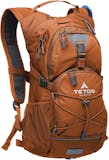
This daypack is effectively sized to be a comfortable daypack for people of all body sizes. It's complete with a hydration bladder and a sewn-in rain cover for longer hikes and less-than-ideal weather conditions. Its attached compression straps ensure that your load is as condensed as possible at all times!
A few reviewers expressed issues with the hydration bladder not working properly, but many reviewers are pleasantly surprised with how adjustable the pack is and its durability on difficult hikes. The majority of users recommend it, highlighting how comfortable and versatile it is.
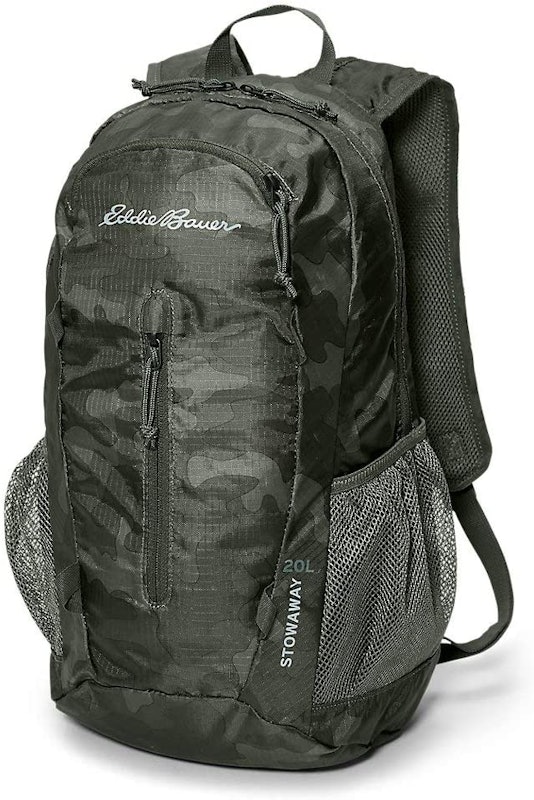
Eddie BauerStowaway Packable 20L Daypack
Pros:
Cons:
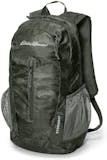
This daypack has everything you need for a comfortable day hike, like two water bottle holders, a variety of pockets, adjustable straps, water-resistant fabric, and mesh lining, yet it can also be packed down into a pocket-sized pack for traveling. It comes in nine different unique designs and colors, too!
Many users feel the bag makes good use of its space, saying it has room for all the day trip essentials, but note that it can dig into your shoulders hard if you load it up with anything heavy. But other users love that it's lightweight, and they're happy at how easily it folds into itself.

Pros:
Cons:
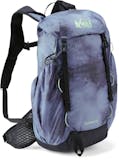
With a soft mesh back, a removable back panel that can be used as a seat pad, and both a waistbelt and sternum straps for even weight distribution, this is a great option for those who want to prioritize comfort in their hikes. The bag is also made sustainably, so you can further show your appreciation for Mother Nature!
Some reviewers say not to pack too heavy because the backpack straps are on the thinner side and can dig into your shoulders easily. However, most find it really easy to use. Many people say it's good for both short and long day hikes. It also seems to fit everyone, from children to those over six feet tall.
Pros:
Cons:
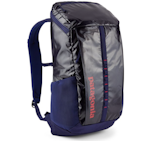
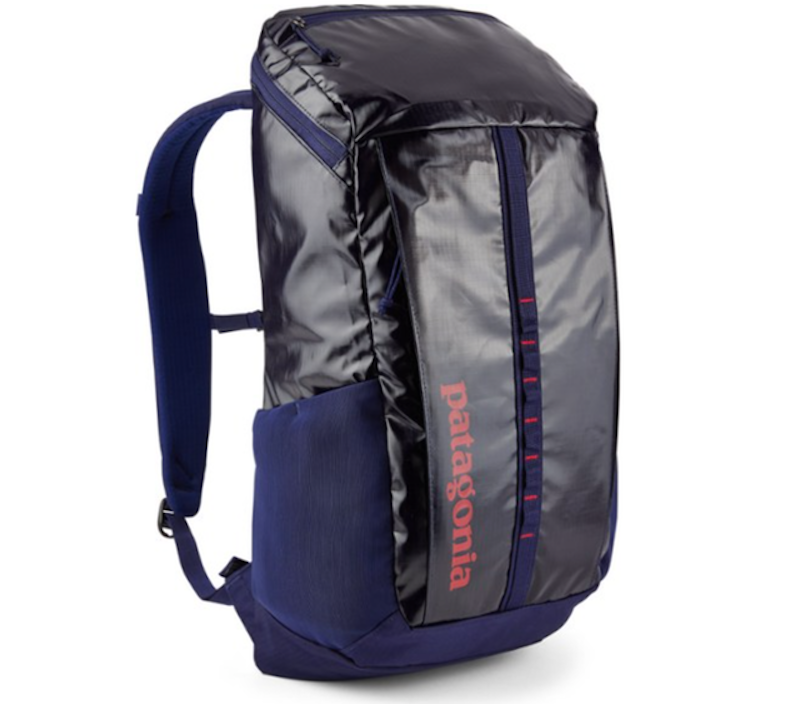
Large enough to carry all your essentials and then some, this is a great daypack for the prepared hiker. The material is durable and weather-resistant, so you'll be protected against any unexpected rough patches on your hike. If you like multi-purpose bags, this is also a great everyday bag, complete with a laptop compartment.
A couple of reviewers say a bag this size would be more comfortable with a waist belt strap. However, most reviewers love this bag because of its versatility and are incredibly happy with its quality and durability.
Pros:
Cons:
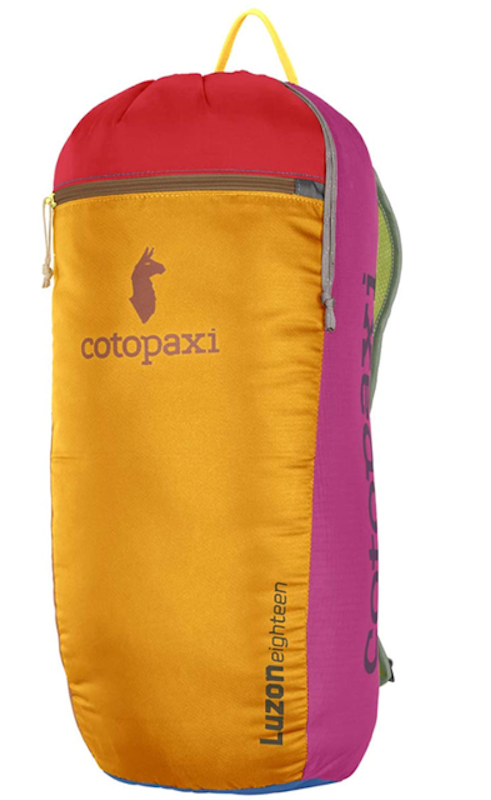
This structureless bag is created by repurposing ripstop nylon that's sewn together for a one-of-a-kind daypack. This bag keeps it simple but includes a drawstring closure and an internal hydration bladder.
A few reviewers say the drawstring is hard to close fully, but on the other hand, many reviewers are excited about this bag because of its unique color schemes and how lightweight it is. They recommend it for travel and everyday use as well as short hikes.
Pros:
Cons:
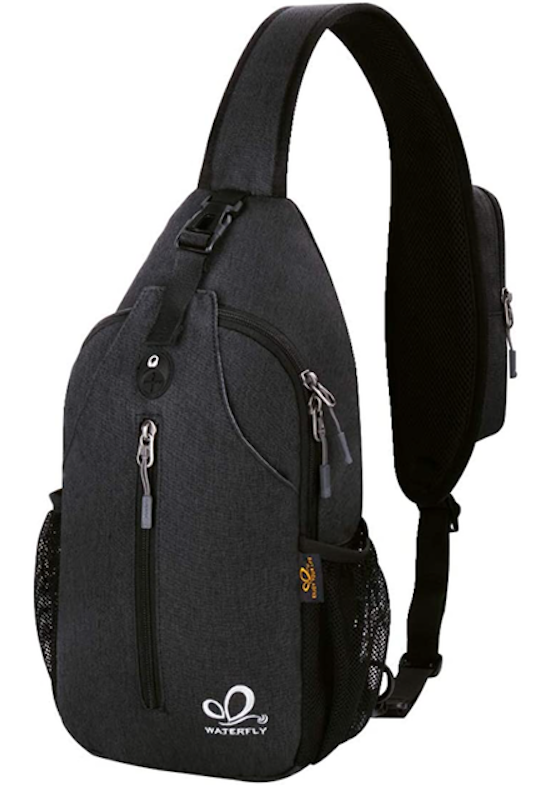
The design of this crossbody daypack makes it incredibly efficient and light to hike with. This daypack is still relatively roomy for its size, even fitting up to an iPad Mini and a water bottle. There is also a hidden headphone hole, so you can listen to your favorite hiking playlist or podcast.
Some reviewers are unhappy with the placement of the phone pocket, feeling it could have been better structured. But many other reviewers don't seem to mind and express overall happiness with the comfortable size of the bag. They say it's good for a variety of uses, including hiking, cycling, and more.
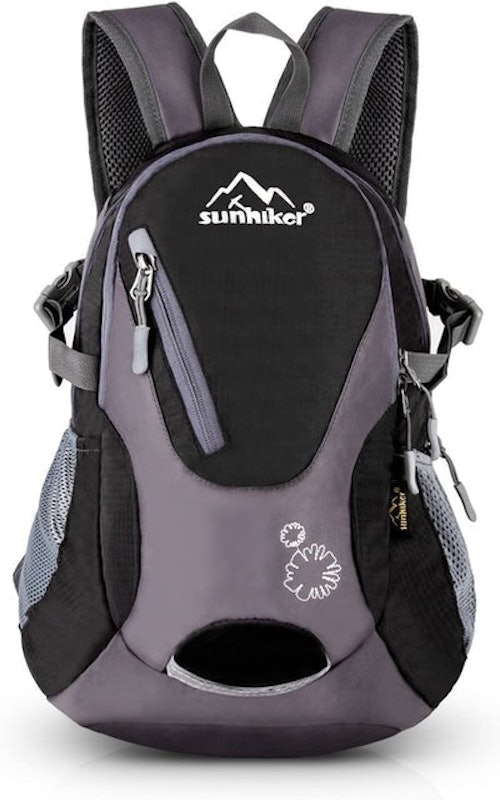
SunhikerBergtagen 30L Backpack | M0714
Pros:
Cons:
This is a great bag for hiking and beyond. This versatile daypack is ready for any weather conditions that may come its way. It's lightweight, waterproof, breathable, and comes with a lot of features that can store equipment for any activity. It's suggested for any outdoor sports like hiking, climbing, and cycling.
For the most part, people are fans of the backpack and how comfortable and versatile it is, but some reviewers found it too small for them. Buyers with small frames and those who bought one for a child say it's perfect!

Pros:
Cons:
With a simple two-way zip closure and nylon material, this bag is a no-frills daypack. It's especially great for the traveling hiker because of its extreme packability; you can even fit it in your pocket or onto the attached carabiner! This is good for people who like to go on hikes wherever they travel.
A couple of reviewers wish that it had more features. It's a no-frills option! On the other hand, many love this pack for its portability and ease of use. They say it's great for day trips and hikes.

Pros:
Cons:
This unique daypack is perfect for adventurous hikers who go near water. It's made from waterproof PVC vinyl, making it the perfect bag to keep your items dry during rainstorms, canoe trips, or while crossing a river.
Some reviewers say that this pack's water bottle holders are loose and poorly designed, and that larger bottles fall out. But reviewers love this bag overall, especially how good it is at keeping all of your belongings dry throughout any adventure.
Pros:
Cons:
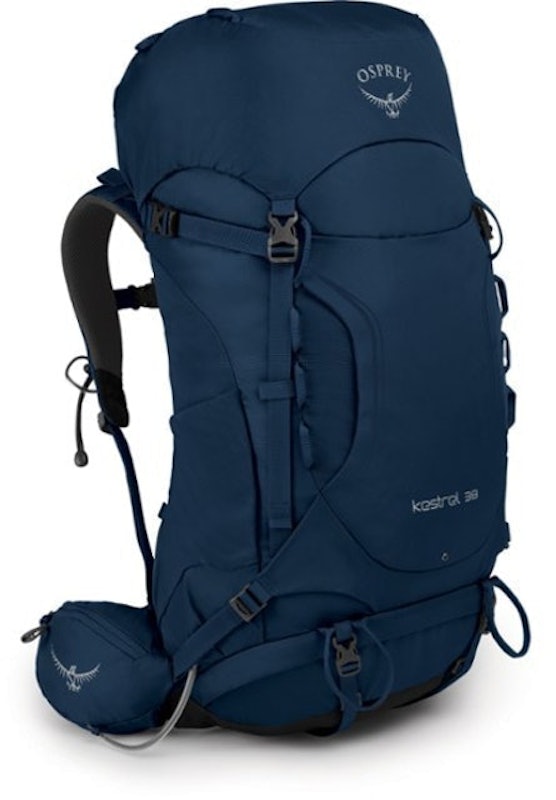
An external reservoir sleeve, a sleeping bag compartment, dual tuckaway attachments, a top lid with zippered pockets, a front panel hideaway pocket, dual side meshed pockets, and so much more make this bag the organized hiker's dream. If you like to have specific compartments for different items, this is a great daypack.
A few reviewers have a hard time with how small the waist belt pocket is, wishing it were bigger to make room for a cell phone. However, most reviewers praise this bag for its great back ventilation and plenty of storage space. They say it's light, comfortable, and has plenty of space, making it a great bag for day, or unexpected overnight, trips!
Pak's Recommended Daypack for Hiking
Osprey's Raptor is an excellent daypack that comes with a hydration bladder. The Raptor is originally used for mountain biking but can be a wonderful daypack as it comes with many of the features listed in the buying guide below, as well as ventilated back panels, straps, and water sleeves.
Frequently Asked Questions
Choosing the right daypack is no easy feat, so we've answered some frequently asked questions to help you make a better-informed decision.
What's the difference between a daypack and a backpack?
To decide on the best daypack to get, it might be helpful to first know the difference between a daypack and a backpack. A daypack is a type of backpack, but daypacks are smaller, more lightweight, and don't have an internal frame, making them versatile for hikes or daily use.
Daypacks are just big enough to hold some essentials to get you through a hike, and their capacity is usually 15 to 40 liters. Backpacks often have more compartments for organization and a rigid internal frame for weight distribution. Daypacks won't have these features, but many of them offer a water bladder or hydration sleeve.
In Search of More Hiking Necessities?
If you are looking to hike more frequently, it's important to be mindful of your health and wellness. Prepare for your next hike by checking out some of our favorite activity-friendly products.


Buying Guide Reviewed by Outdoor Guide Pak Eugene
This expert reviewed the contents of the buying guide for accuracy and provided factual corrections when necessary. They did not participate in the product selection process, nor are they affiliated with any of our choices unless explicitly stated so.
The descriptions of each product are referenced from content available on manufacturer, brand, and e-commerce sites.