
10 Best Organic Baby Foods in 2022 (Pediatrician-Reviewed)
We all want the best for our babies. But sadly, not all baby products contain the safest ingredients for your little one. So choosing organic baby foods might help you reduce your baby's exposure to chemicals like pesticides since they are often grown in strictly supervised conditions.
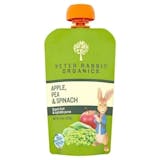
Due to the plethora of products currently sold on the market, choosing suitable organic baby food might be somewhat challenging. But don't worry! Check out our top 10 picks for some references. Peter Rabbit Organics' Apple, Pea, and Spinach Puree is one of our favorites as it's free from artificial flavors and can provide your baby with a good amount of fiber and potassium. There is also a buying guide at the end to give you some tips in finding the best organic food for your baby!

Dr. Levy is a board certified dermatologist practicing in NYC and Westport, Connecticut. She has expertise in treating inflammatory skin conditions like acne, rosacea, eczema, and psoriasis. She has an interest in skincare and takes a personalized approach to all of her patients.

Dr. Regina Hardin is a pediatrician and the founder of MyKidzMD Pediatrics. She enjoys spending her day caring for newborns and helping parents handle their most common pediatric concerns. Dr. Hardin says: "Parents are often afraid of routine newborn care for fear of hurting the baby or possibly doing something wrong. My mission is to empower parents with education and by giving them the tools to keep children healthy, happy, and thriving."

mybest US' editing team consists of experienced members who have backgrounds in writing, editing, translation, and more. We are dedicated to researching what makes a product or service the best to users in the US in order to create top-quality articles. From skincare, to kitchen appliances, and to DIY supplies, our mission is to find the best ones for you.
The expert oversees the Buying Guide only, and does not determine the products and services featured.
Why You Can Trust Us
Every mybest article is crafted with hours of in-depth research and interviews with experts. Each month, we are continually expanding our database of products based on our research. By emphasizing user insight and reliable information, we deliver trustworthy content to readers.
How to Choose an Organic Baby Food - Buying Guide
Before choosing a baby food for your baby, you need to know what types of food to feed at what stage of development. You should also take into consideration factors such as the nutritional value and the packaging of the foods.
Look for Official Organic Certification Like USDA
According to the United States Department of Agriculture (USDA), products can only be certified organic if they comply with strict regulations regarding the production procedures.
In particular, organic products have to be processed and grown without the use of fertilizers or pesticides and don't contain harsh chemicals, GMO ingredients, or artificial preservatives.
Also, don't just pick an organic-labeled product without an official trademark since it might not be made from 100 percent organic ingredients or processed under strict supervision. Make sure to choose a product that bears a registered organic label like "USDA Certified Organic."
Find a Food That Fits Your Baby's Stage of Growth
When going shopping for baby food, you probably have seen labels such as "1st Foods," "2nd Foods," and "3rd Foods" or "Stage 1," "Stage 2," and "Stage 3" written on the packaging. But what are these exactly?
Usually, baby foods are categorized into stages according to the nutritional guidelines for babies at certain ages. Look for these labels to know if the foods are suitable for your baby's diet.
Stage 1 for Single Ingredients, Stages 2 and 3 for More Complex Ones
Stage 1 foods are meant for babies from four to six months of age. They are usually single-ingredient pureed fruits, veggies, or cereals since it's important to introduce new foods gradually and be on the lookout for signs of allergic reactions.
They are smooth without any clumps and shouldn't integrate any meat, eggs, or dairy, which contain a high concentration of proteins and iron that might be too much for your baby's weak digestive system.
Stage 2 foods are for babies aged seven to eight months. They are strained food combinations of two to four ingredients to help your baby get accustomed to new tastes and textures.
Stage 3 foods are designed for babies from nine to 12 months old. They are more complicated blends and with chunks of foods inside. There might be dairy, meat, or eggs as well.

When you're deciding on the different stages of foods, keep your baby's development in mind in addition to their age. Before eating stage 1 foods, your baby should be able to hold their head up. Stage 2 can be introduced when the baby can sit up and is starting to bite. Once the baby has learned to coordinate chewing well, they may be ready for stage 3.
Solid Snacks for Babies Learning to Chew

If you're want to introduce solid foods to your baby and teach them how to chew, look for snacks such as cereal puffs and waffles. They usually dissolve in your baby's mouth and won't hurt your baby's developing gums.
If you can't find the stages on the packaging, check if there is an age range indication in the product's description.
When introducing new foods, it's best to try one type of food or ingredient for at least two to three days before you introduce another food or ingredient. This will make it easier to pinpoint the causative agent if there's a reaction. Signs of allergies include rashes, congestion, wheezing, redness, or swelling.
Avoid Added Sugars Like Corn Syrup
The reason why you want to pick organic baby food is to guarantee the best for your baby. However, being organic doesn't mean the food is healthy.
In fact, many organic baby food products contain added sugars like cane syrup, high-fructose corn syrup, or maltose. They usually don't add any nutritional value and could encourage your baby to develop a sweet tooth at an early stage. They might increase the risk of obesity and blood sugar problems as well.
It's impossible to avoid sugars, however. In foods, there are already naturally-occurring sugars including lactose (dairy products), glucose (fruits and veggies), fructose (honey and fruits), and sucrose (beet or sugar cane).
Still, try not to feed your baby foods that have high sugar content regularly. In particular, foods with added processed sugars like table sugar or high-fructose corn syrup should be restricted to reduce the risk of health problems.
Also, check nutrition facts and do your research to know what nutrients your baby will get from the food (fiber, calcium, fat, or vitamins). This will also help you decide how much to feed your baby, and if you need to supplement with any other foods. If you have any questions or concerns, ask your pediatrician!
Choose Between Glass Jars, Plastic Containers, and Food Pouches
Organic baby foods come in various packaging styles. You'll see glass jars, pouches, plastic containers, and so on. Choosing which type of package is totally up to you.
Glass Jars Are Reusable and Non-reactive
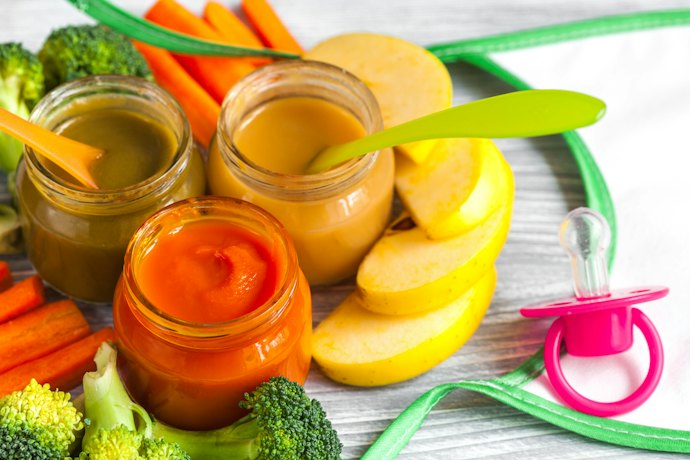
Glass jars are the most eco-friendly option out of the three packaging choices, as they are reusable and recyclable. However, they can shatter easily and are pretty heavy as well.
Another plus point about glass jars is that they can withstand heat and are easy to sterilize for re-using. Moreover, glass isn't reactive to chemicals and won't be corroded by acids. Therefore, glass jars are suitable to hold acidic foods such as tomato soup.
Plastic Containers Are Less Likely to Break
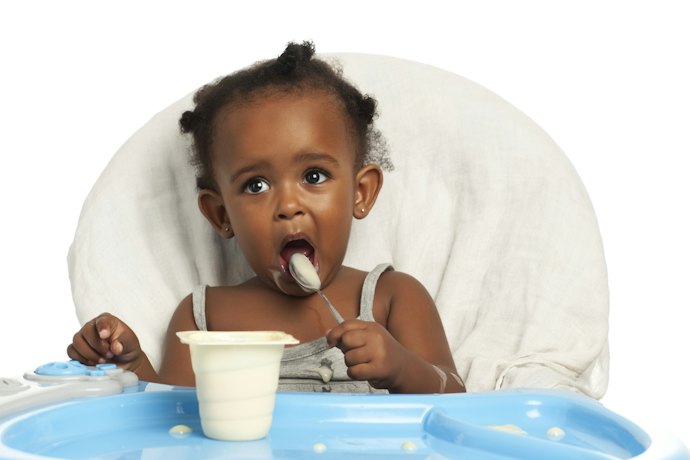
Plastic containers are usually recyclable, and also are much lighter than glass jars. Also, they won't break easily after being dropped to the ground a few times.
However, some plastic containers contain BPA and phthalates, chemicals that might lead to allergic reactions and health issues. So try to pick a product that's labeled "BPA-free" or "phthalate-free".
Refrain from putting plastic containers in the microwave as well! When getting in contact with high heat, they might melt or end up leaching chemicals into foods.
Try to avoid plastics with the following recycling numbers within the triangle: three, which indicates that it contains phthalates that may affect hormonal development; six for styrene, which may be potentially carcinogenic, and seven for bisphenols, which are felt to be linked to obesity, heart disease, brain development, and behavioral issues.
Food Pouches Are Lightweight and Convenient for Trips
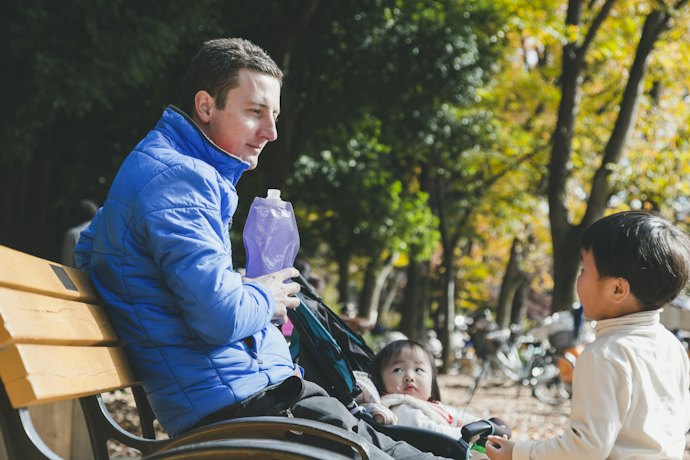
Food pouches are lightweight, squeezable, and mess-free. Since the foods will go straight from the spout into your baby's mouth, there's less chance of dripping or splattering!
However, food pouches are usually not recyclable. So for those who are conscious about the environment, check the material of the food pouches and make sure it's biodegradable.
Still, food pouches are convenient for traveling. If you're going out and don't really have time to deal with spoons or bowls, they are the ideal option. Also, most food pouches are lined with BPA-free plastic, so you won't have to worry about chemicals getting into the foods.
One thing to consider if food pouches are used too often is the potential to delay oral motor development. If you only use food pouches for feeding, your baby may not have enough opportunity to explore textures, learn to coordinate chewing, or develop fine motor skills such as using utensils.
This can also result in a picky eater later as the baby gets older. Food pouches are a good choice, but try not to make them your main choice.
10 Best Organic Baby Foods
| Products | Image | Click to purchase | Popularity | |
|---|---|---|---|---|
1 | Peter Rabbit Organics Purees Peter Rabbit Organics |  | No.1 | |
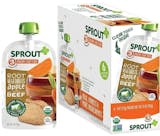
2 | Grass Fed Beef with Organic Kale and Sweet Potato Sprout |  | No.2 | |
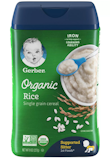
3 | Organic Rice Single Grain Cereal Gerber |  | No.3 | |
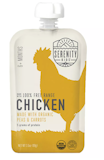
4 | Serenity Kids |  | No.4 | |
5 | First Prunes Happybaby |  | Currently unavailable | No.5 |
6 | Organic Apple Peach Oatmeal Earth's Best |  | No.6 | |
7 | Just Mangos Plum Organics |  | No.7 | |
8 | Organic Yogis Happy Baby |  | No.8 | |
9 | Organic Teethers Happy Family |  | No.9 | |
10 | Pumpkin Cranberry Apple Earth's Best |  | No.10 |

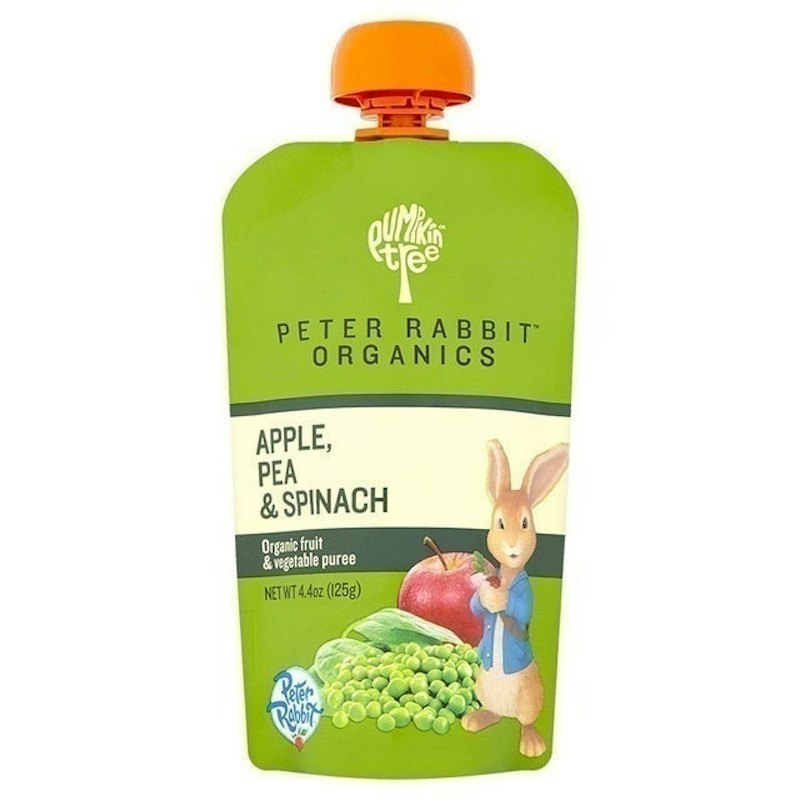
Peter Rabbit Organics Peter Rabbit Organics Purees
Pros:
Cons:
These naturally wholesome food pouches are made from organic fruits and vegetables with only lemon juice as a preservative. The convenient pouch is also made with BPA-free material, so no need to worry about chemicals getting into your baby's foods!
A few buyers note that the sugar content in these food pouches is higher than those of other brands. However, rest assured that there's no added sugar. Meanwhile, many reviewers comment that their baby loves eating these food pouches. Although these pouches are for babies, many adults enjoy them as snacks as well.
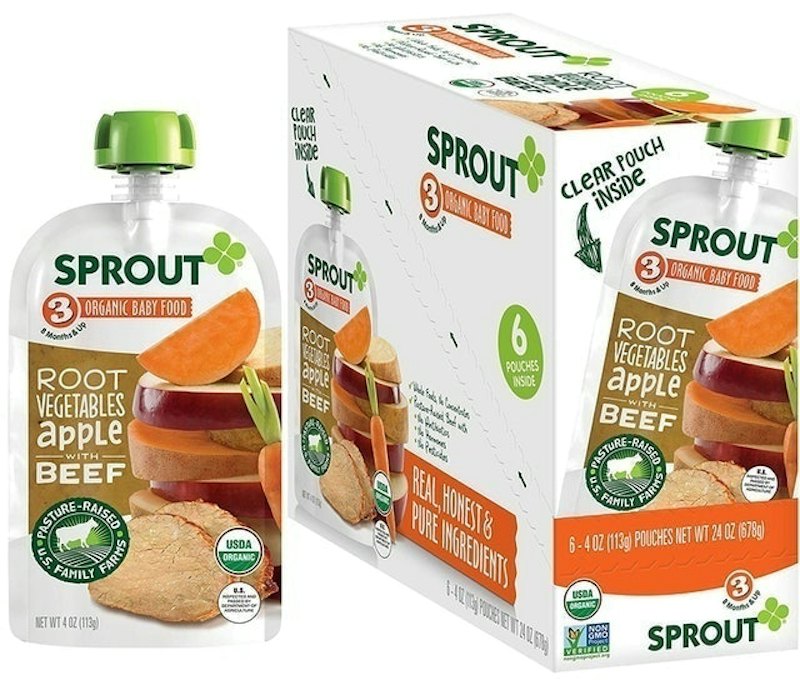
SproutGrass Fed Beef with Organic Kale and Sweet Potato
Pros:
Cons:
These pouches are made with organic ingredients like potatoes, carrots, apples, and beef to help babies eight months and up learn about some new flavors. They are also packed with protein, calcium, potassium, and magnesium to help support your baby's body development. They also contain no added sugars or preservatives.
It's said that the texture of the food is a bit thin. Still, many buyers praise their delicious taste, further mentioning that the apples add a nice sweetness to the overall savory flavor. They also like that the food pouches contain a good amount of protein for their baby.
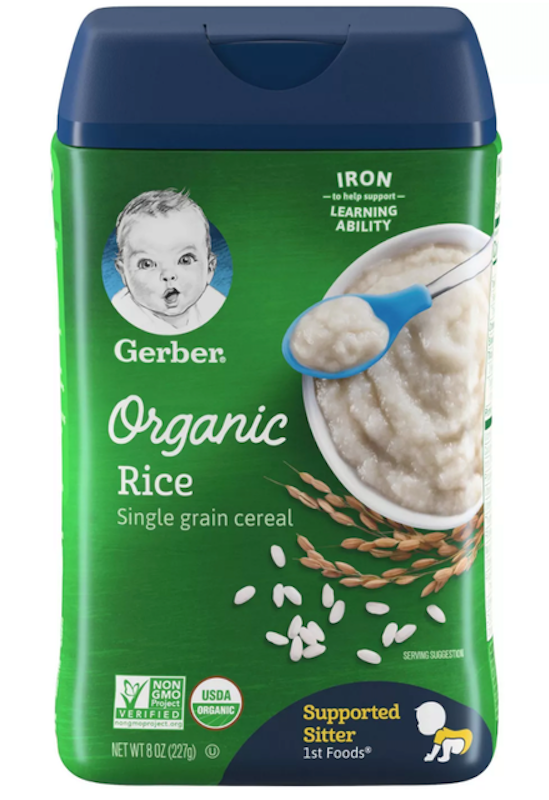
GerberOrganic Rice Single Grain Cereal
Pros:
Cons:
This single grain cereal is an ideal first solid food to help you start introducing real food to your baby's diet. Fortified with vitamins and minerals like vitamin C, vitamin B2, and zinc, it helps support healthy development. It is especially rich in iron, providing your baby with 6.75 milligrams per serving.
Some reviewers mention that their baby vomited after consuming the product. As the product contains soy, you might want to consult with a doctor to make sure that it is suitable for your baby. Meanwhile, reviewers love that this cereal is healthy and supplies their baby with essential nutrients like fiber and iron. It's said that this rice can be used to thicken formulas or mixed with other baby foods.
Pros:
Cons:
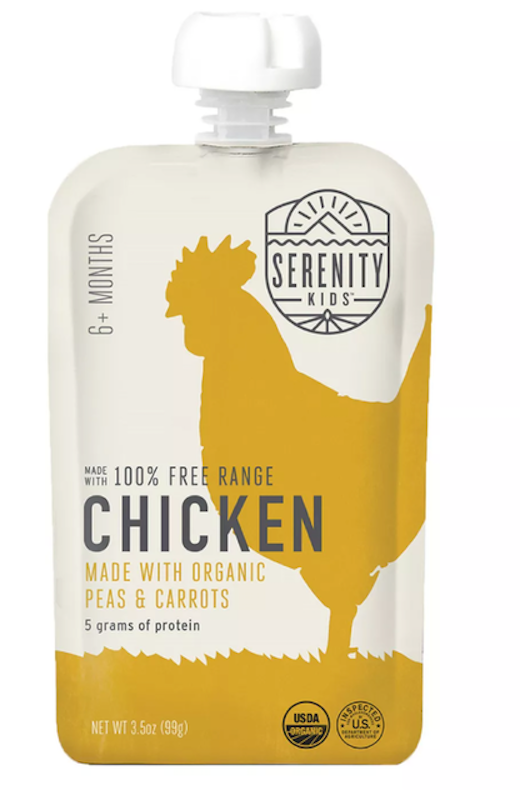
Serenity Kids' food pouches contain organic ingredients like pea, carrot, chicken, and avocado oil. These ingredients make them a great source of healthy fats, protein, and minerals like calcium, iron, and potassium. On top of that, these food pouches are made without antibiotics, hormones, GMO ingredients, or artificial flavors.
Some reviewers complain that the flavor of the food pouches is a bit bland. However, a lot of parents love that these savory food pouches contain a high amount of protein and healthy fats to support their baby's growth. They also appreciate the organic ingredients.
Pros:
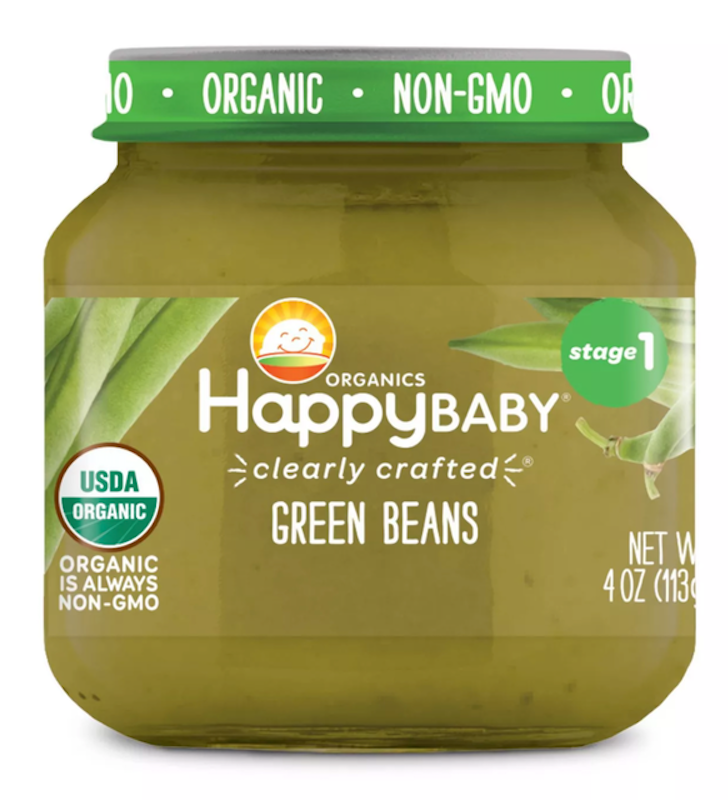
This baby food is made with only water and green beans and is suitable for babies six months and older. It has a high content of fiber, protein, and potassium. Plus, this baby food doesn't contain any artificial flavors or preservatives. Another plus point is that it comes in a reusable glass jar!
There are reports that the food has a watery consistency. Meanwhile, many reviewers compliment its natural flavor. They also appreciate that this food is made with organic ingredients only.
Earth's Best Organic Apple Peach Oatmeal
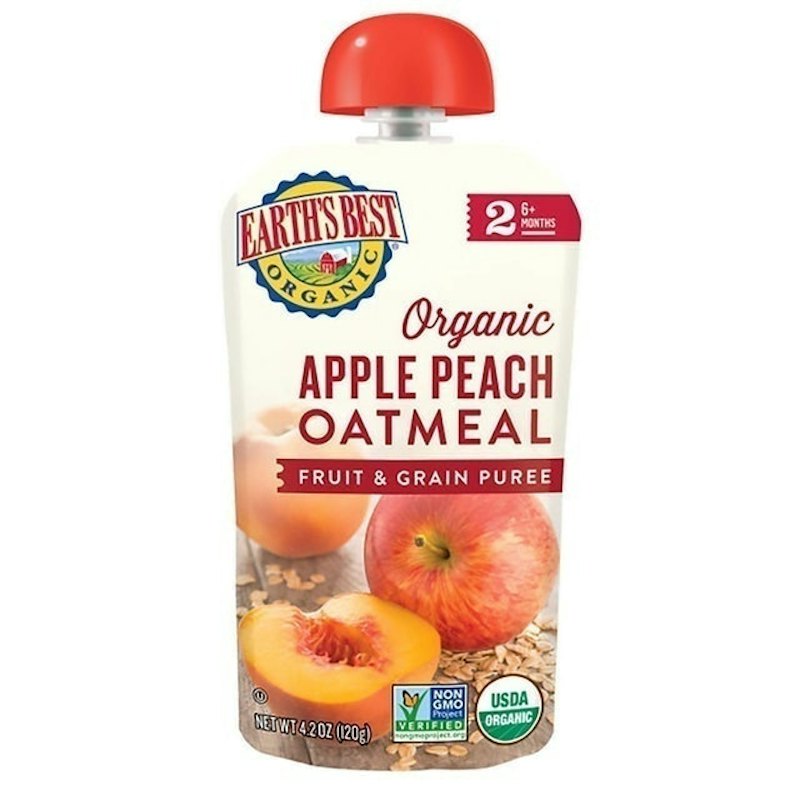
Pros:
Cons:
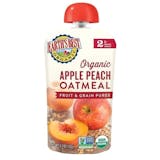
Looking for a way to integrate grains and fruits into your baby's diet? Consider these food pouches from Earth's Best! Made with organic whole grain oat flour and fruit puree concentrates, this baby food is ideal for babies six months and older. It's also free from artificial flavors or colors.
A few buyers find the texture too mushy and watery. On another note, the majority like that these food pouches are convenient to bring on trips. Many find that the pouches are filling and help keep their baby satisfied for a while.
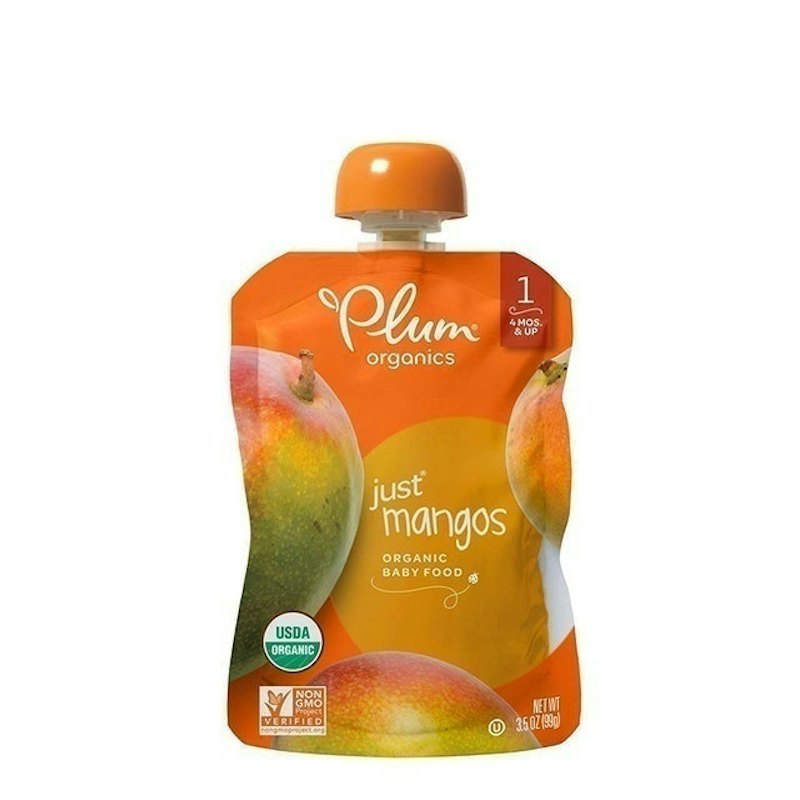
Pros:
Cons:
These pouches are made with organic mango puree and lemon juice concentrate without any added salt and sugar. They're suitable for babies four months and up. These portable pouches are also re-sealable, great for on-the-go feeding, and come in other flavors, all with only a few real-food ingredients.
According to some buyers, the quality of the food pouches is inconsistent. Some pouches are sweet, while some others are sour. Nevertheless, the majority comment that this baby food has a thick consistency and is very filling. Many also love how it's naturally sweet without containing any added sugar or artificial preservatives.
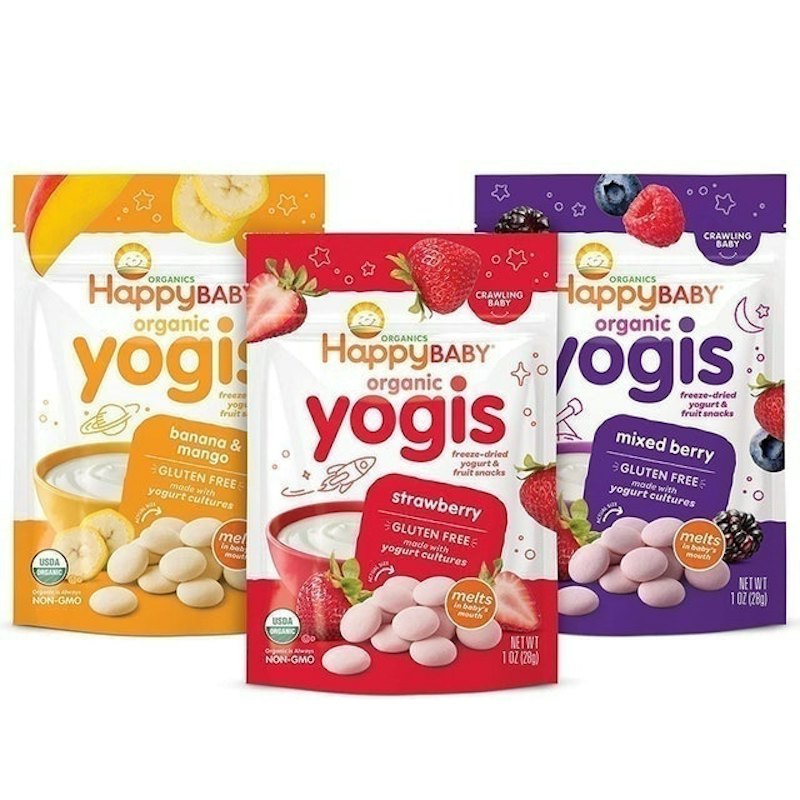
Pros:
These freeze-dried yogurt drops are made with wholesome yogurt cultures and organic fruits that are both healthy and tasty for your baby. These drops are also gluten-free and contain no GMO ingredients.
Some reviewers warn that the drops could get sticky and might cause choking. Nevertheless, many praise these drops for their delicious flavor. Babies and even older kids enjoy the drops as sweet snacks. Reviewers use them as finger foods to teach their baby to self-feed.
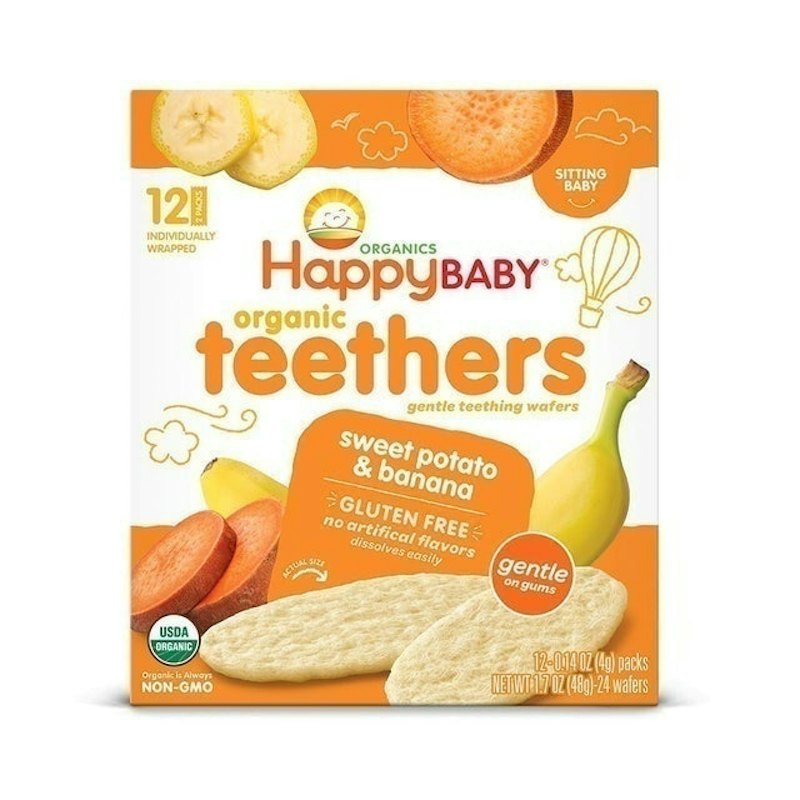
Pros:
Cons:
These gluten-free teething wafers can dissolve easily in your baby's mouth and are the ideal first snack for baby to develop their gums. These wafers are made with organic jasmine rice flour, fruits, and vegetables without any artificial flavors, making them suitable for your baby's sensitive palate.
A couple of buyers mention that these wafers are crumbly, while some others dislike that they contain added sugar. Yet, many reviewers compliment that the wafers are delicious and easily melt in the mouth to prevent choking. A lot of parents also say that these snacks are the perfect size for tiny hands to hold and pick up.
Pros:
Cons:
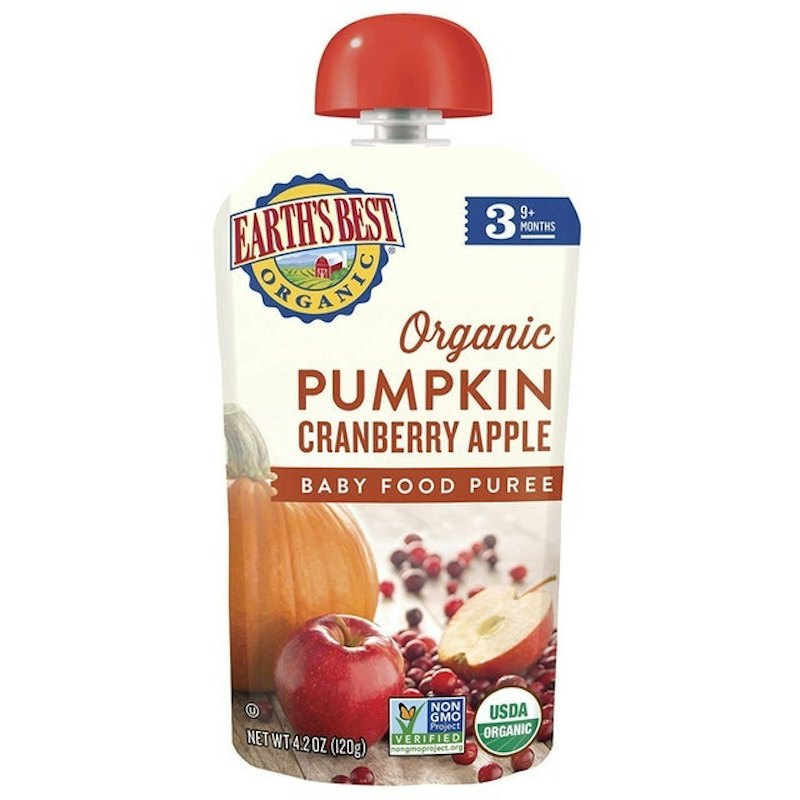
Made from apple puree, pumpkin puree, and cranberry puree, these pouches are packed with vitamins, fiber, and zinc to help support the development of babies nine months and older. These pouches also contain no artificial flavors, colors, or preservatives. They are certified organic by the USDA and contain no GMO ingredients.
The main complaint about this baby food for some buyers is the watery consistency that isn't suitable for stage three babies and beyond. Nevertheless, most reviewers find that the pouches are a great way to sneak veggies and fruits into their baby's diets. Many further comment that the pouches are portable and great for travel.
Dr. Hardin's Recommended Organic Baby Food
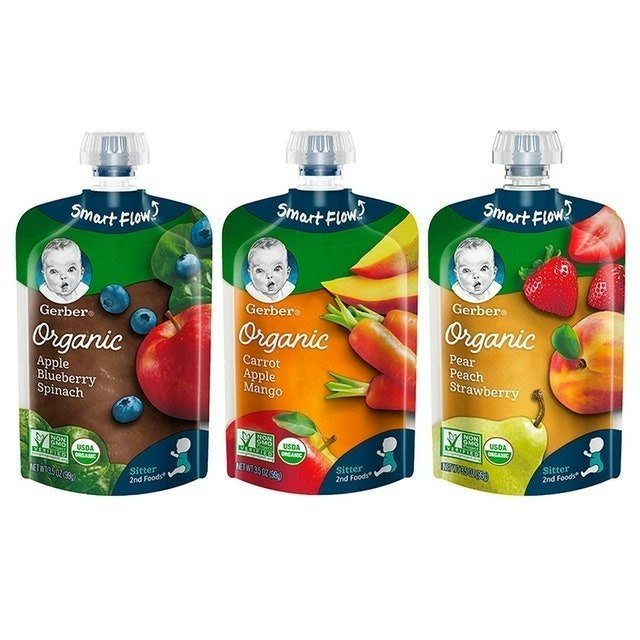
In addition to providing her insights on our Buying Guide, Dr. Hardin was kind enough to recommend her favorite organic baby food.
Gerber's pureed fruit and veggie packages are fully organic and packed with flavors like apple, berry, mango, carrot, and more. Gerber's baby foods are all USDA-certified to be non-GMO, guaranteeing high-quality nutrition for your baby.
Dr. Hardin recommends Gerber's variety pack of fruit and veggie food packages, saying, "My favorite organic baby product is the Gerber organic fruit and veggie food pouches. They don't have added sugars and are the perfect snack for on the go.
A big plus is that they don't require a lot of space or add weight to your diaper bag! I recommend them to families who want something easy to use and access while traveling."
Frequently Asked Questions
Do you still have questions about feeding your little one organic baby food? Take a look at this section to know the answers to two commonly asked questions.
How long is baby food good for in the fridge once it's been opened?
Dr. Hardin says, "Once a container of baby food has been opened, any meats and egg ingredients can be stored for up to one day.
Fruit- and vegetable-based foods can be safely stored in the refrigerator for two to three days. Make sure to replace the lid tightly.
If you've fed the baby directly from the jar with a spoon, then it's safer to discard any leftovers. I recommend taking out what you need from the jar, replacing the lid, then refrigerating what's left."
Are organic baby foods better for the environment?
For those who are conscious about the environment, organic foods are also ideal! Organic farming releases fewer pollutants into groundwater and preserves the quality of the soil from chemicals.
One study has also shown that modern agricultural practices using pesticides utilize 50 percent more energy than organic methods. So either for health or environmental reasons, a lot of people prefer organic foods for their babies!
Looking for More Baby and Kids' Foods?
We know you want to provide your kids with all the best nutrition, so check out our articles for some suggestions!


Amazon's Best Selling Baby Foods
If you still haven't found a good pick for your baby after reading our list of favorites, check out Amazon's best-selling baby foods!
The descriptions of each product are referenced from content available on manufacturer, brand, and e-commerce sites.


