
10 Best Non-Dairy Milks in 2022 (Registered Dietitian-Reviewed)
Looking for suggestions on how to choose a good non-dairy milk to drink or add to your drinks? If so, you've come to the right place! A lot of people prefer non-dairy milk over dairy milk not only because it's free from dairy and lactose, but it's delicious and rich in nutrients, too. It's a great way to get a different set of nutrients into your diet.
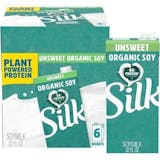
We did our research and went through reviews to pick the 10 best non-dairy milk products that can be purchased online. Silk's Organic Unsweetened Soymilk is our top-ranking product because it's usable in a variety of recipes, is similar to cow's milk in versatility and nutrition, and has many added vitamins. Take a look at our other top picks and a buying guide reviewed by a registered dietitian to help you choose on your own!

Rachel Binkley is a registered dietitian who helps individuals develop healthy habits that fit into their lifestyle. She recommends adequate intakes of all micronutrients to help prevent deficiency as well as chronic conditions that may arise. You can keep up with her recipes, lifestyle, and more on Instagram or her blog, S'more Satisfaction.

mybest US' editing team consists of experienced members who have backgrounds in writing, editing, translation, and more. We are dedicated to researching what makes a product or service the best to users in the US in order to create top-quality articles. From skincare, to kitchen appliances, and to DIY supplies, our mission is to find the best ones for you.
The expert oversees the Buying Guide only, and does not determine the products and services featured.
Why You Can Trust Us
Every mybest article is crafted with hours of in-depth research and interviews with experts. Each month, we are continually expanding our database of products based on our research. By emphasizing user insight and reliable information, we deliver trustworthy content to readers.
How to Choose a Non-Dairy Milk - Buying Guide
Non-dairy milk should be delicious, of course, but do you know what other things should be considered besides the taste? Here are some suggestions to help you find a good non-dairy milk product.
Choose a Milk That Suits Your Recipe, Tastes, and Nutrition Preferences
There are seven main types of non-dairy milk that you can easily find online. They're all different in flavor, texture, and nutrition.
Oat Milk for Fiber, Frothing, and Lattes
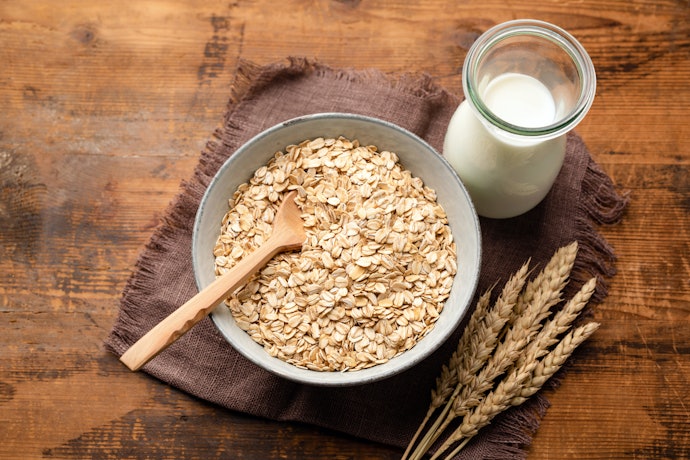
Oat milk has a mild flavor with a hint of sweetness and a smooth, creamy consistency. That makes it taste good as is, but it also goes well in cereals and smoothies. Besides that, oat milk is especially great to froth for coffee. Its bubbles are larger and more fragile once frothed, but the foam can still be used for latte art.
It's also higher in calories and carbohydrates than most non-dairy milk. However, it has the highest amount of fiber! It also contains very little fat, while still maintaining a good amount of protein.
Oat milk probably isn’t a good option for people with celiac disease or gluten intolerance because it may contain gluten. Although pure oats are gluten-free, they’re often contaminated with gluten because they’re often processed in the same factories as wheat. If you have allergies, make sure it's certified gluten-free!
Naturally Sweet Milks Like Cashew, Rice, and More for Cereal
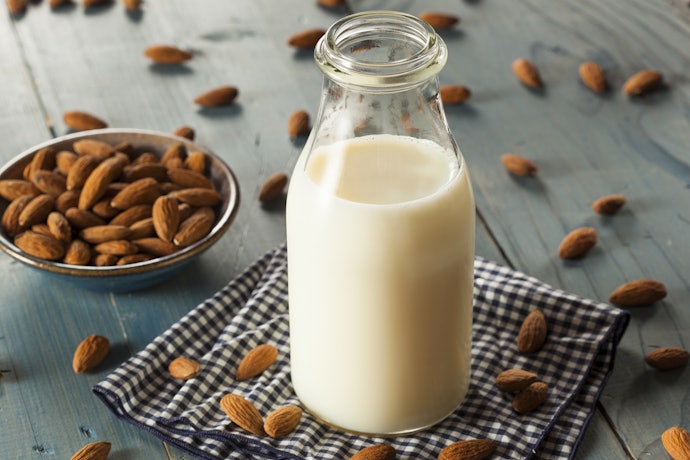
Nut milk is made from different types of nuts such as almonds, cashews, walnuts, and macadamia nuts. Since nut milks are from different sources, they’re also different in taste. For example, almond milk and cashew milk have a subtle nutty flavor, but walnut milk has a strong, complex flavor. But most can agree that nut milk in general is quite creamy.
Natural nut milk is made with two ingredients: nuts and water. Thus, it’s very low in calories! Natural almond milk has the lowest amount of calories among all nut milk at approximately 30 to 40 calories per serving.
Although nut milk is low in calories, most are high in vitamin E and healthy fats. So, they're an excellent option for those who are trying to eat well or improve their heart health!
Rice milk, on the other hand, has a mild taste and a thin consistency. It contains the highest amounts of calories and carbohydrates compared to all types of non-dairy milk. However, it’s rich in vitamin B and free from cholesterol and saturated fat. Rice milk is an allergy-friendly milk, so it's a good choice for people with many food allergies.
All of these milks have a naturally sweet flavor and thus taste great on top of cold or hot cereal. They add a creamy mouthfeel to cold breakfast cereal and a rich sweetness to hot cereals like oatmeal.
Soy Milk Is the Most Similar to Cow’s Milk in Terms of Nutrition and Use
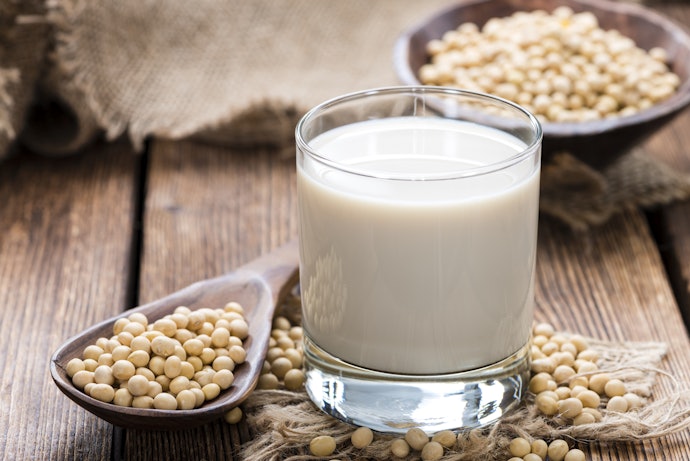
Soy milk has a rich flavor and creamy texture, so many people find it easy to drink or mix with anything. It also comes in many flavor options, too!
It is the closest non-dairy milk substitute for cow’s milk in terms of nutrition. It has the same amounts of protein, calcium, and potassium, but it’s free from cholesterol and lactose. It's a good option for people with diabetes, heart disease, or lactose intolerance, as well as those who just want a high-protein plant-based milk.
It's very versatile and can be used virtually anywhere that dairy milk can be used, such as pancakes, cupcakes, and even a plant-based egg wash to brush over baked goods! Try adding it to savory dishes, too. It works wonderfully in soups, dressings, and mashed potatoes.
Although soy milk offers many health benefits, GMOs are one thing that many people are concerned about. The fact is, most soybeans grown in the United States are GMOs.
We still don't know whether or not GMOs negatively affect human health. But, if you're concerned about GMOs, it's a good idea to choose non-GMO soymilk or organic soy milk instead.
Coconut Milk Is Creamy and Versatile for Savory and Sweet Foods
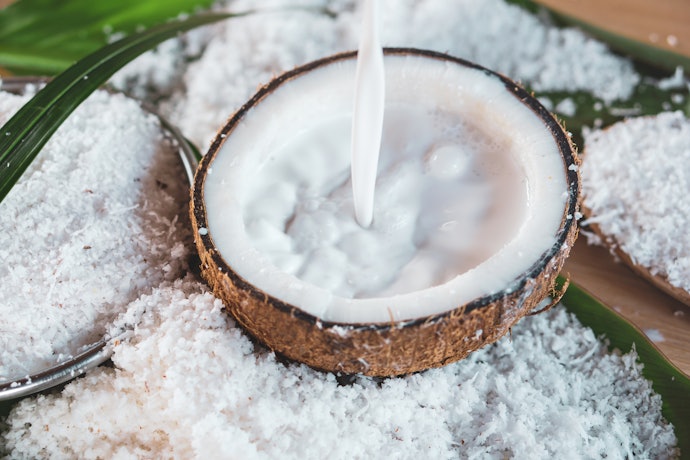
Coconut milk is made from coconut cream and water. It’s creamy and has a mildly sweet taste. If used in a one-to-one ratio in place of dairy milk it can add a pleasant coconut flavor to recipes.
Coconut milk may be most well known for its use in savory dishes, such as Thai curries and rich, South-East Asian soups. It's extremely suitable for adding a mellow, creamy sweetness to savory dishes. Especially dishes that have a sharp spiciness!
Hemp Milk Is a Good Source of Omega-3 and Omega-6 for Savories
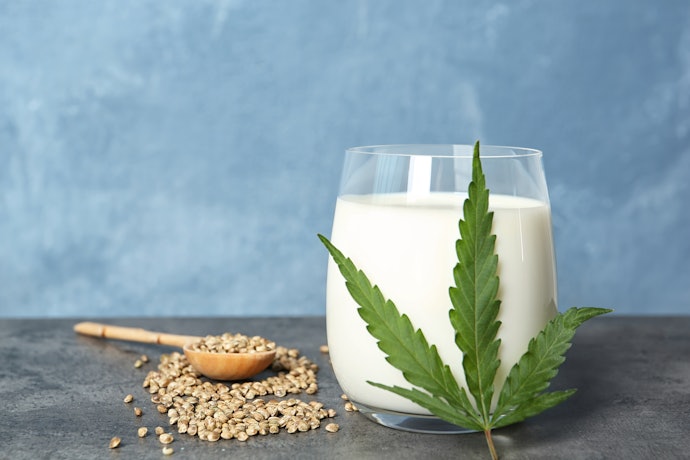
Hemp milk has a thick and creamy consistency. It also has a strong grassy flavor, so many people find it hard to drink as is. Instead, it’s widely used in savory dishes where its strong nutty flavor can be appreciated. Many recommend it for sauces such as bechamel or in hearty soups and casseroles.
Hemp milk is rich in polyunsaturated fats, which include omega-3 and omega-6. Omega-3 helps to lower blood pressure and triglycerides, which can reduce the risk of heart attack and stroke. Omega-6 helps to lower LDL (bad) cholesterol and raise HDL (good) cholesterol.

Omega-3 fatty acids are considered essential fats. This just means they have to be consumed in the diet. Your body can't create them on its own. While all fat can seem intimidating due to misleading nutrition information, some fats are absolutely beneficial.
Unsaturated fats tend to be plant-based. They provide satiety as well as a lower risk of cardiovascular disease. Saturated fats are ones to be mindful of and trans fats should be avoided completely.
Alternative Milks Like Pea Protein and Flax Milk for Extra Protein
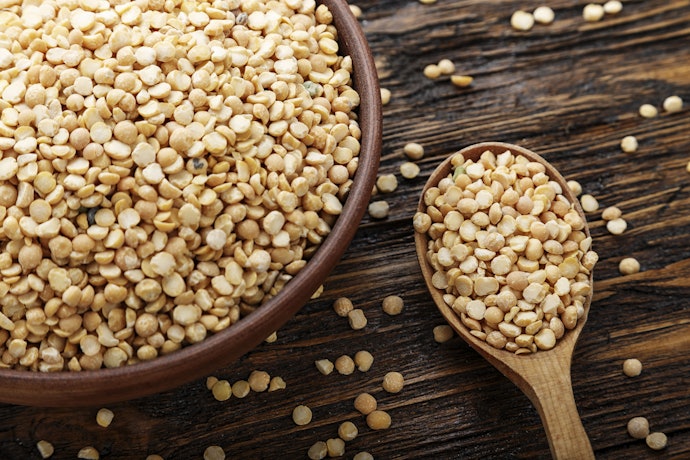
Most non-dairy milk products are very low in protein compared to cow’s milk. If you want a naturally high-protein option, try pea protein milk. It contains the highest amounts of protein - approximately 10 grams per serving. However, some brands offer up to 20 grams of protein per serving!
Flax milk is generally higher in protein as well. In fact, both of these milks are quite commonly fortified with extra protein. Pea and flax are also found in plant-based milk blends, which are mixtures of different nuts, seeds, and grains to create a multi-sourced plant milk, such as pea, flax, and oat milk mixes.
Pea protein milk is usually made from yellow split peas, which have high amounts of the amino acid lysine and iron. In terms of taste and consistency, pea protein milk is creamy and has a similar taste to almond milk. Cooks say that as well as it's good for cooking, it has a thin consistency, so it's better for lighter dishes.
Unsweetened, Sweetened, or Flavored Milks Can Affect the Flavor of Your Recipes
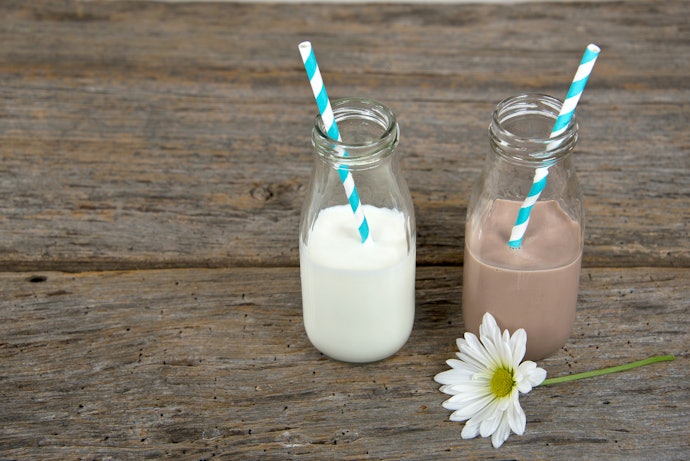
The first thing you need to choose between is unsweetened or sweetened milk. If you like a natural taste, choose a non-dairy milk that is free from added sugar or sweeteners. These are also great for cooking, for they add no additional flavors or sugar, so you can directly control and adjust the sweetness.
Sweetened and flavored milks can be used in recipes, too. You just have to be mindful of what you're cooking! For example, chocolate milk in a smoothie or protein shake would be a delicious option, as would a coffee-flavored milk used to make cupcakes or muffins.
The most common sugars and sweeteners used in non-dairy milk are white sugar, cane sugar, agave syrup, brown rice syrup, stevia, and monk fruit. If you’re concerned about calories and sugar content, we suggest choosing stevia or monk fruit as sweeteners.
Non-dairy milk also comes in many flavor options. In addition to the original flavor, you'll find chocolate, vanilla, or even coffee, too. Some people prefer to keep it classic, while others like having a few flavors in their fridge to choose from; it's up to you!
When it comes to flavored milk, I recommend starting unsweetened unless you are confident you can finish a full carton of one flavor before the expiration date. There are ways to freeze leftover milk so you can use it for other recipes, but it may be difficult to remember this in time.
When starting with an unflavored, unsweetened variety, you have a solid base. There's always the option to create your own flavors in smaller quantities. You can adjust the sweetness and flavor profile based on your individual preferences.
Consider Additional Nutrient-Dense Ingredients

Not all non-dairy milk is the same, so it’s a good idea to consider products that have additional ingredients that make it more nutritious. Many brands offer added ingredients like calcium phosphate, calcium carbonate, vitamin A, vitamin B, vitamin D, and folic acid.
If you want extra fiber, we suggest looking for ingredients like chicory root, seeds, fruits, or vegetables. You can also find a mix of two or more types of milk in one product for additional protein and other nutrients, too! These milks may be rich in Omega-3s because of added seeds or nuts.
There are also non-dairy milks available with added plant-based protein, so they are nearly a protein shake without having to blend one up.
Coconut, Rice, and Hemp Milk Are More Allergen-Friendly

Non-dairy milk may contain many common allergens like gluten, soy, nuts, and legumes. It’s important to choose the right type of milk that’s suitable for you and your household!
If you’re allergic to gluten and wheat, it’s better to avoid oat milk unless it's certified gluten-free. If you’re allergic to nuts and legumes, we suggest you avoid soy milk, nut milk, and pea protein milk. Rice milk, coconut milk, and hemp milk are low-allergen options that are ideal for those who are allergic to many things.
If you’re concerned about GMOs, chemical pesticides, and artificial ingredients, look for non-GMO, natural, and organic ingredients in your non-dairy milk.
Select Between a Powder or Liquid Formula Depending on Shelf-Life Needs
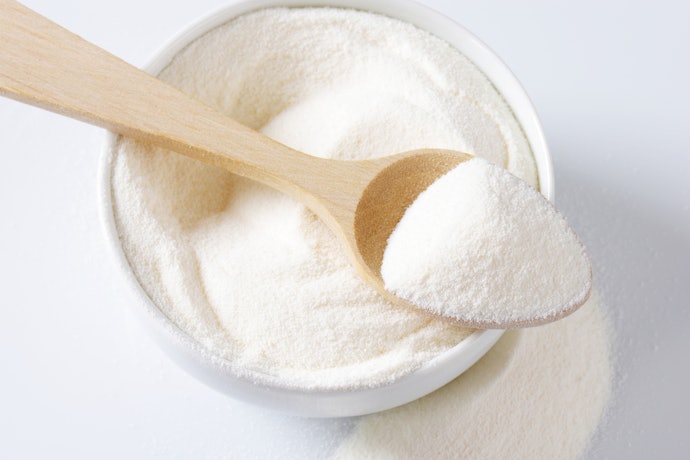
In terms of formula, non-dairy milk comes with different two options: powder or liquid. Powder formulas usually come in a plastic container, which makes them easy to store. In terms of use, some people may find it inconvenient since you have to thoroughly mix it with water to get a liquid consistency.
However, powder formulas don’t need to be refrigerated, and they have a much longer shelf life when compared to liquid formulas. Liquid formulas typically have a shelf life of about a month unopened, but once opened must be kept in the refrigerator. Once in the refrigerator, they'll last about seven to 10 days.
Powdered milks are excellent additions to recipes, as well. Containing no liquid, they can be added without affecting the texture of the baked good, such as adding extra rich chewiness to cookies. It can also add more creaminess to already creamy dishes, like adding a deeper milk flavor to ice cream.
Some cooks experiment with an added spoonful of powdered milk to any recipe to boost its creaminess, not to mention add some extra protein and nutrients.
But liquid milks are excellent additions to recipes as well, being quick and easy to add into drinks, cakes, and more. You may also choose to get creative and use milk where a recipe calls for water to add extra creamy flavor and nutrients., such as in pancake mixes or homemade bread.
How to Choose a Non-Dairy Milk - Buying Guide
| Products | Image | Click to purchase | Popularity | |
|---|---|---|---|---|
1 | Soy Milk Silk |  | No.1 | |
2 | Oat Milk Oatly |  | Currently unavailable | No.2 |
3 | Plant-Powered Flaxmilk Good Karma |  | No.3 | |
4 | Coconut Dream Coconut Drink Coconut Dream |  | Currently unavailable | No.4 |
5 | Original Dairy-Free Pea Milk Ripple |  | Currently unavailable | No.5 |
6 | Original Macadamia Milk milkadamia |  | No.6 | |
7 | Mooala |  | No.7 | |
8 | Original Hemp Milk Pacific Foods |  | Currently unavailable | No.8 |
9 | Organic Rice Dream Rice Drink Dream |  | Currently unavailable | No.9 |
10 | Organic Coconut Milk Powder Z Natural Foods |  | No.10 |

Pros:
Cons:
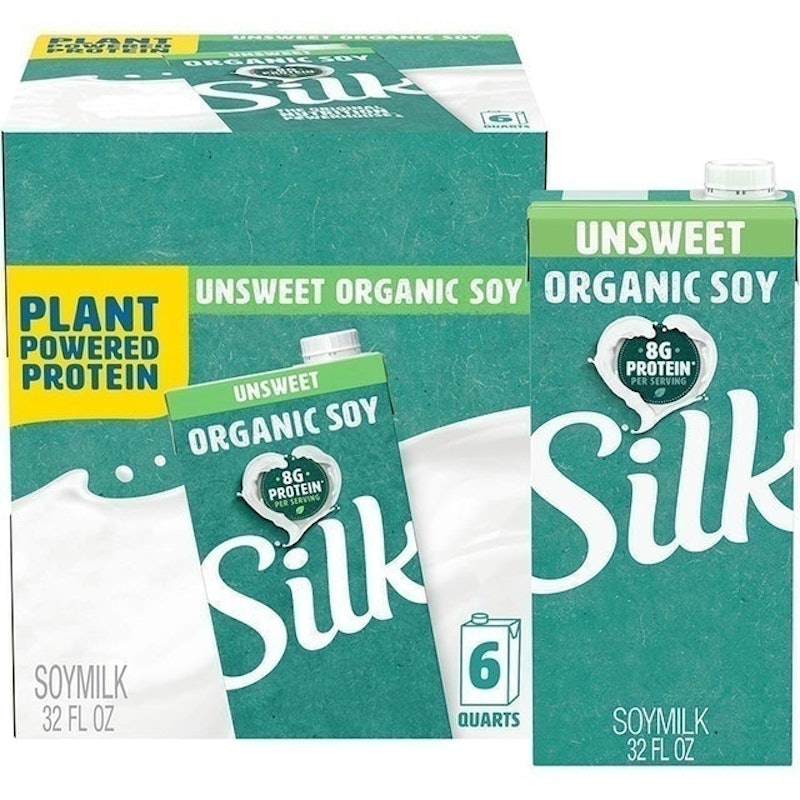
Silk Soymilk is a common, popular brand of non-dairy milk that's been used for years. It's loved for its creamy texture and its similarity to cow's milk in nutrition and reaction in recipes. It's also high in protein and contains added calcium, making it have an equal amount of calcium to cow's milk.
Reviewers love its versatility, saying it can be used in every situation cow's milk can be used, from baking to drinking, to coffee. They also love its creaminess and substantial texture - not watery at all. Most customers agree that this is an all-around great choice!
Pros:
Cons:
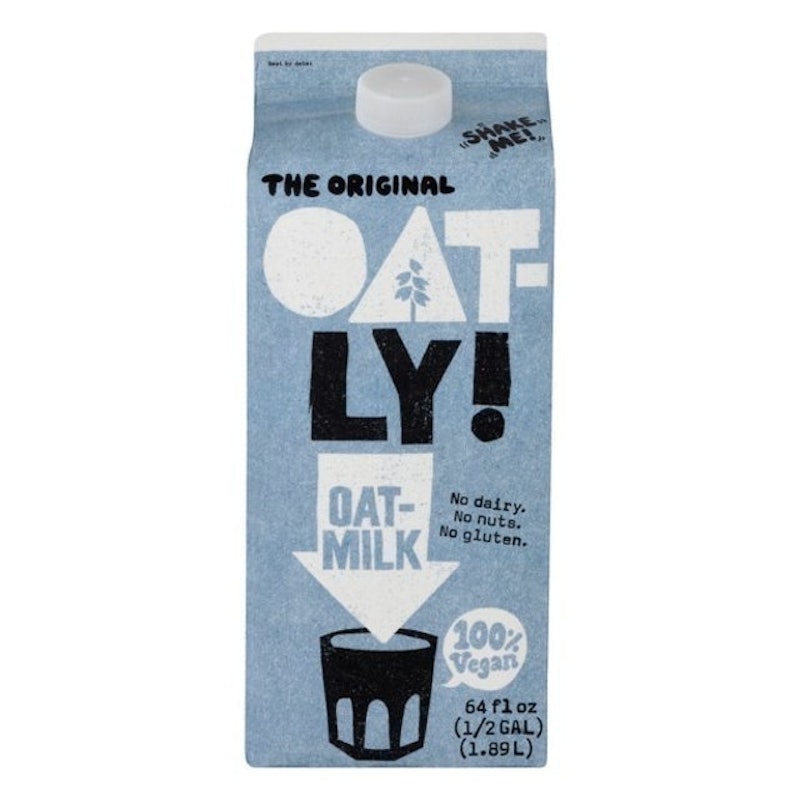
Oatly Oat Milk is ideal for frothing, foaming, coffee, and latte art! It holds a strong, substantial foam and is recommended by coffee drinkers. It's free from gluten, added sugar, gums, and thickeners. Additionally, it's fortified with calcium and vitamins A, B2, B12, and D.
Many reviewers love the taste and texture, saying it's the best product for coffee and coffee drinks. They praise its flavor, saying it's subtle and lightly sweet. Customers also say it's useful for baking, cereal, and oatmeal.
Pros:
Cons:
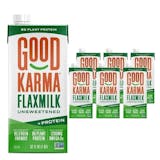
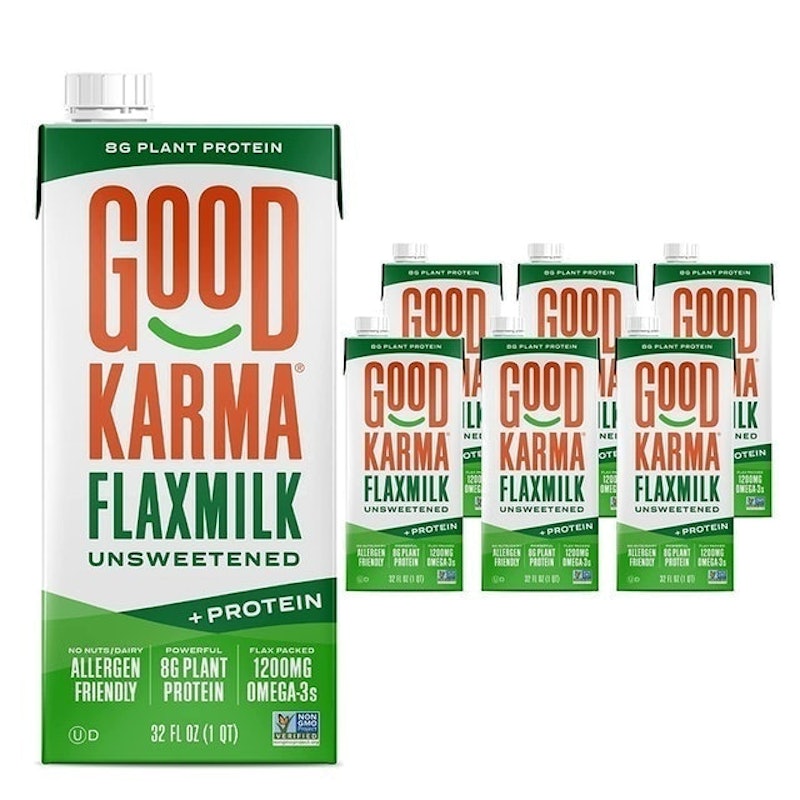
GoodKarma Flaxmilk is made of Omega 3-rich flax seeds and has the benefit of added pea protein. It's recommended highly for toddlers due to its high protein and fatty acids, which aid in a child's development. It's also useful in a wide variety of recipes, such as baking, cereal, and soup.
This flax milk suits people with common allergies since it's free from nuts, soy, GMOs, and gluten. Reviewers love the protein content and say it's very similar to cow's milk in taste and texture. Many people love the shelf-stable cartons, but some say the taste differs from the refrigerated version from the store.
Cons:
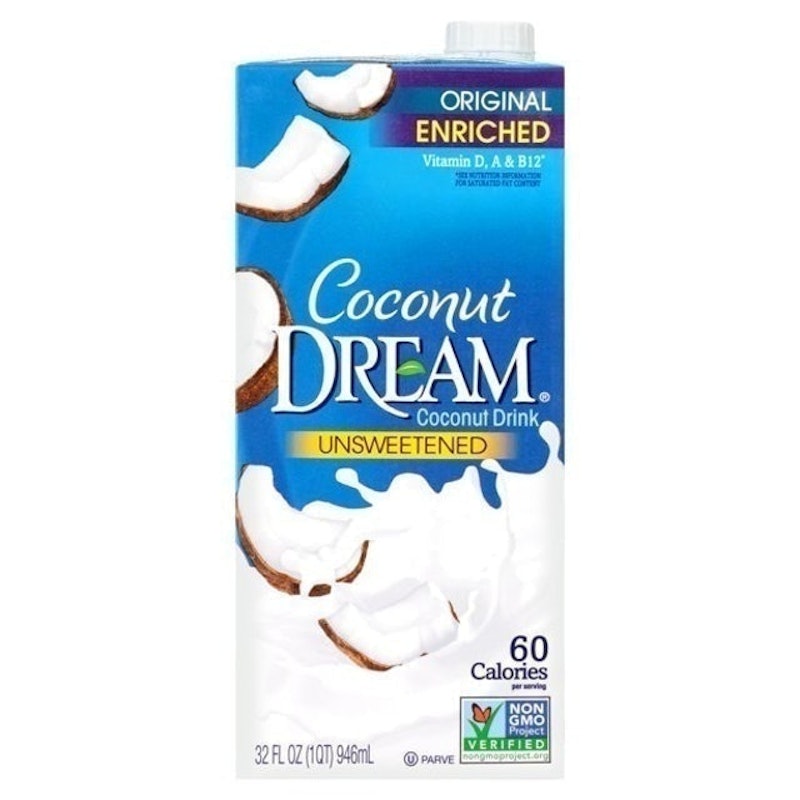
Coconut Dream is a very versatile product, being just as suitable for spicy, South East Asian soups as it is for cakes and muffins. It's rich in medium-chain triglycerides, which have been shown to help nutrient absorption and boost energy levels.
Most reviewers agreed that this coconut milk has pretty much the same consistency as cow's milk. It's ideal for smoothies, shakes, cereal, baking, and cooking. They also said it contains very low amounts of carbohydrates and sugar, so it is a good choice for people who follow low-carb diets
Pros:
Cons:
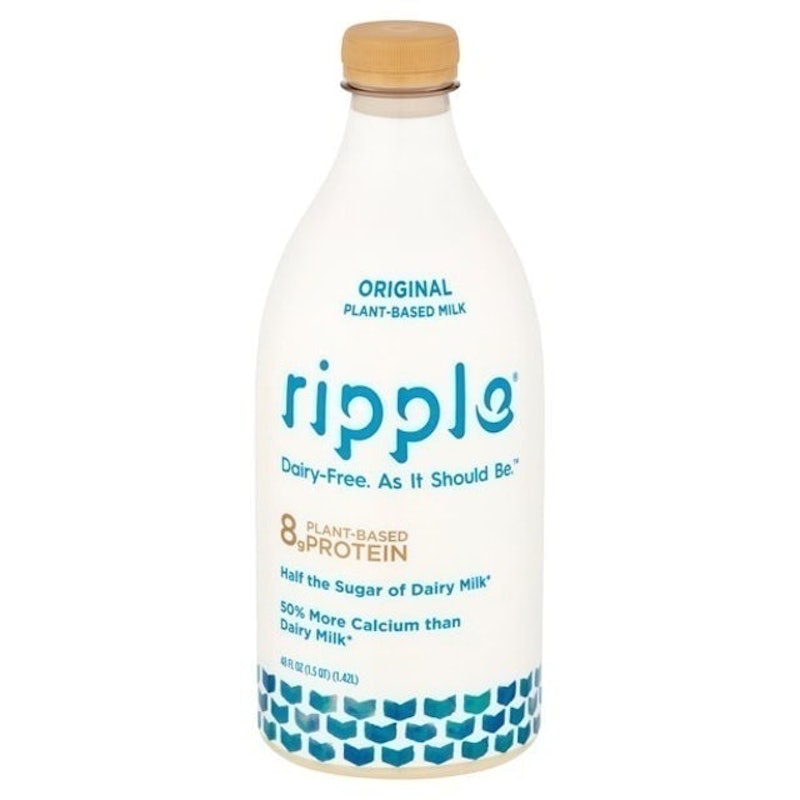
Ripple is a pea protein-based milk suitable for people with common allergies, as it's nut-free, soy-free, and gluten-free. It's high in protein and contains more calcium and less sugar than cow's milk. It also contains calcium, vitamin D, and vitamin B12.
Many reviewers said that this is a wonderful choice for drinking if you want a dairy-free milk. They say it feels similar to cow's milk in taste and texture and they buy it for dairy-sensitive children. It's also useful in protein shakes, smoothies, coffee, and cereal!
Pros:
Cons:
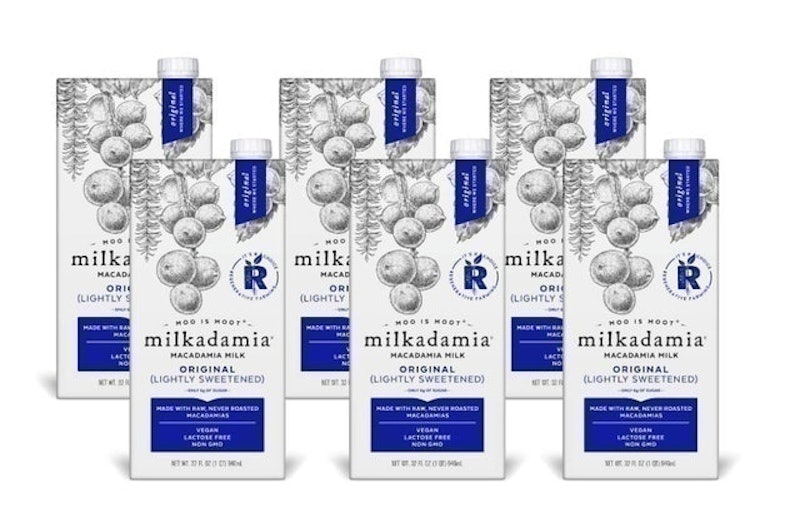
Milkadamia Macadamia Milk is a low-carb non-dairy milk that's rich in healthy fats and ideal for the keto diet. Macadamia nuts are a great source of monounsaturated fats, which help lower LDL cholesterol. It's rich in calcium but low in sugar, calories, and carbohydrates.
Many people said it tastes great with a variety of recipes and is a good replacement for dairy or soy milk. One reviewer on the keto diet said it was better for their diet than almond, flax, coconut, and soymilk. Reviewers said it was great for cereal, baked goods, coffee, and drinking plain.
Pros:
Cons:
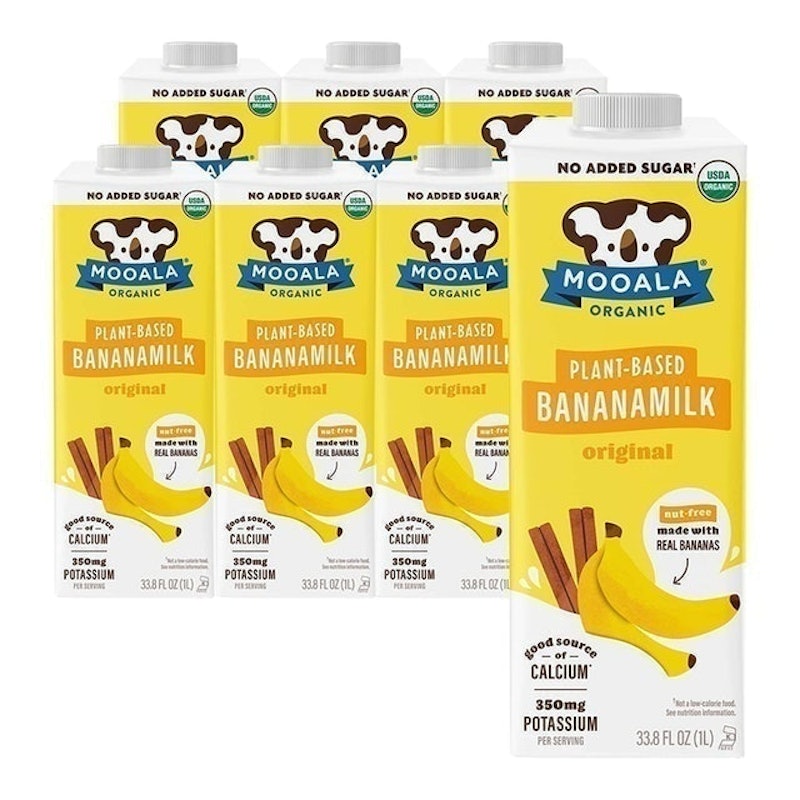
Mooala Bananamilk is an allergy-friendly milk flavored with bananas and cinnamon. Made of sunflower seeds, it's nut-free, gluten-free, and soy-free. Although it's flavored, it contains zero added sugars due to the sweetness of bananas.
Customers enjoy adding this to shakes, smoothies, and cereal to give their recipes a tasty, subtle banana flavor. Some say the cinnamon flavor also comes out in recipes. However, a few reviewers say the sunflower seed taste overpowers the banana taste.
Pros:
Cons:
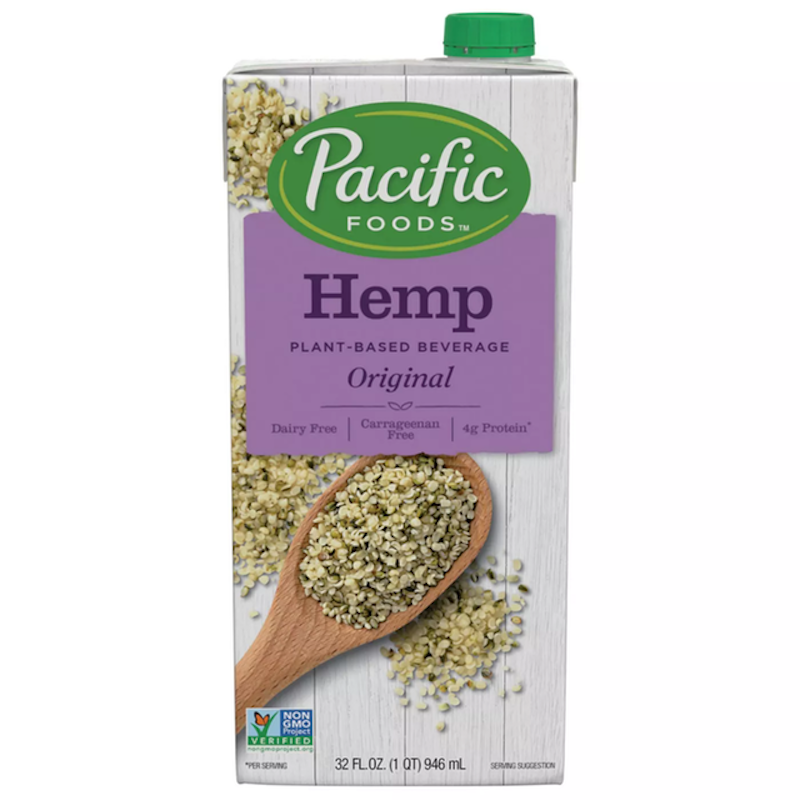
This hemp milk is packed with antioxidants, omega 3s, omega 6s, and is full of plant-based protein. It cannot be guaranteed gluten-free due to possible cross-contamination where they grow their hemp, but it's still soy-free, non-GMO, and vegan.
Due to its robust, nutty flavor, it's well-suited for savory dishes like casseroles, sauces, soups, and potatoes. Some reviewers say that they even use it for desserts like cakes and custards. Although, some people say that hemp milk is a bit of an acquired taste and can be a little unpleasant.
Pros:
Cons:
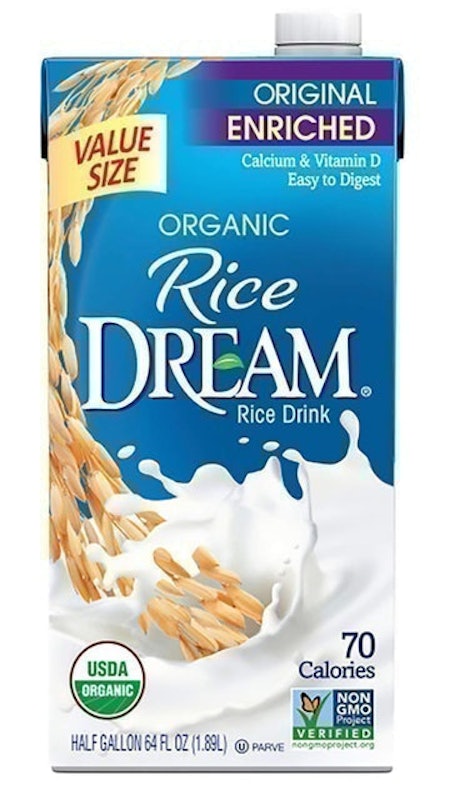
Rice milk is a mild, creamy milk that's ideal for hot and cold cereals. Being made of rice, it's free from the most common allergens. Plus, it's great for lowering blood cholesterol due to rice being rich in unsaturated fat, vitamin B6, and niacin.
It's made with brown whole-grain rice that is high in magnesium and phosphorous. It's also free from added sugar Reviewers said it tastes great in cereal, as well as in baked goods. Some people don't like the low levels of protein, but one reviewer said low protein made it ideal for their specific, medical diet!
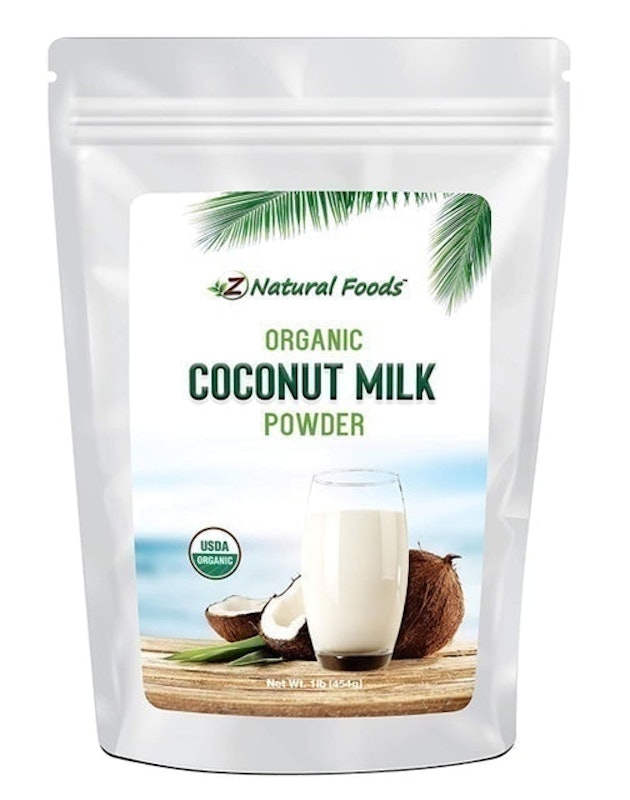
Z Natural FoodsOrganic Coconut Milk Powder
Pros:
Cons:
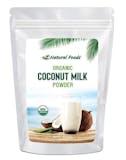
This powdered coconut milk is convenient, tasty, and shelf-stable. You simply add water to make fresh coconut milk. It's made with simple ingredients, contains no added sugar, and is processed at low temperatures to preserve and maintain the coconut's nutrients.
Reviewers loved using it as a substitute for coffee creamer or adding it to baked goods to make them creamier. They also said it's very versatile - it can also be used for skincare and haircare, too! However, a few reviewers complained about the way the powder can clump up.
Rachel's Recommended Non-Dairy Milk
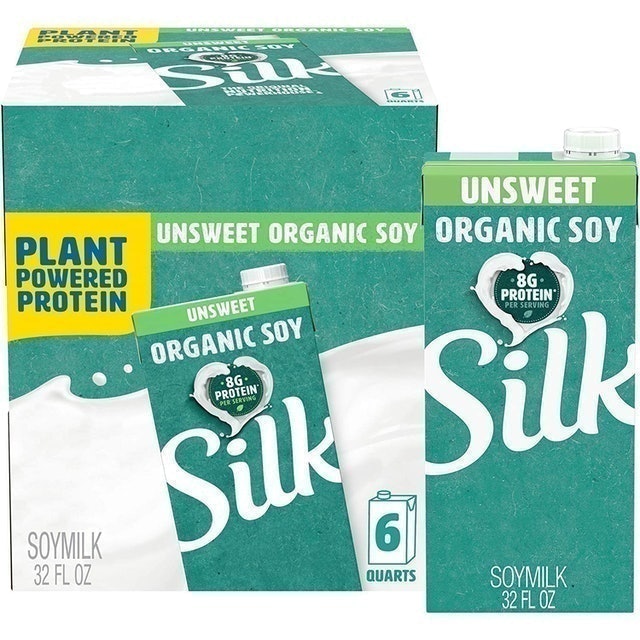
I recommend unsweetened varieties because it allows them to be more versatile. It's hard to put vanilla almond milk in a savory dish, for example. Soy is high in protein and Silk is a reputable brand. I tend to lean towards store brands, but there is a noticeable difference with this product.
Frequently Asked Questions
In addition to reviewing and commenting on our buying guide, Rachel also answered some commonly-asked questions about non-dairy milks.
Which non-dairy milks are best for toddlers?
"Soy milk is typically best for toddlers unless there is an allergy," Rachel explains. "Soy milk compares best to cow's milk due to the adequate protein. This is also typically less expensive than other non-dairy milks that have added protein and other ingredients. Children need protein and fat from their milk to grow. Many non-dairy milks can lack in these areas."
Which non-dairy milk is healthiest?
Rachel says, "It depends on what healthy means to you! The lowest-calorie option isn't usually the most nutrient-dense. Calories are energy!
Soy milk is a very good substitute for cow's milk when it comes to nutrients like protein. If you're looking for a milk to just mix in smoothies and you aren't worried about the satisfaction component, almond and cashew milks are suitable options.
I personally don't use milk as a significant protein source in my diet, so I buy almond milk. It doesn't expire quickly, which is important to me because I don't usually use milk in large quantities."
Looking for Things to Enjoy Your Non-Dairy Milk With?
Now that you've got your non-dairy milk sorted out, you'll need something to have it with! Here are some of our suggestions.


Amazon's Best Selling Non-Dairy Milks
If you're looking for some great recommendations for non-dairy milks to help with your choice, check out Amazon's best-selling non-dairy milk list!
The descriptions of each product are referenced from content available on manufacturer, brand, and e-commerce sites.