
10 Best Nut Butters in 2022 (Registered Dietitian-Reviewed)
Who doesn't like nut butter? It has become many people's favorite spread because it pairs well not just with bread, but many other foods, too! Nut butter can be made from various kinds of nuts like walnuts, almonds, pistachios, and more, which results in a variety of delicious tastes, textures, and benefits.
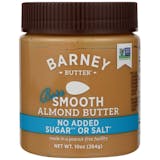
Looking for ideas on how to choose a good one? Keep reading. We've provided you with the 10 best nut butters that all come highly rated! Barney Butter Bare Smooth Almond Butter is our favorite because it has a creamy, smooth consistency from blanched almonds, simple ingredients, and no added sugar. If you want to know more, check out the rest of the products in our 10 best list, and take a look at our buying guide for tips on how to choose the right one for you.

Rachel Binkley is a registered dietitian who helps individuals develop healthy habits that fit into their lifestyle. She recommends adequate intakes of all micronutrients to help prevent deficiency as well as chronic conditions that may arise. You can keep up with her recipes, lifestyle, and more on Instagram or her blog, S'more Satisfaction.

mybest US' editing team consists of experienced members who have backgrounds in writing, editing, translation, and more. We are dedicated to researching what makes a product or service the best to users in the US in order to create top-quality articles. From skincare, to kitchen appliances, and to DIY supplies, our mission is to find the best ones for you.
The expert oversees the Buying Guide only, and does not determine the products and services featured.
Why You Can Trust Us
Every mybest article is crafted with hours of in-depth research and interviews with experts. Each month, we are continually expanding our database of products based on our research. By emphasizing user insight and reliable information, we deliver trustworthy content to readers.
How to Choose Nut Butters
There are many factors to consider when it comes to choosing the right nut butter that suits your preferences! Good thing we've given you these six things to consider while your browse through all of the options.
Find a Nut Type That Suits Your Diet and Goals
Each type of nut butter offers different flavors, textures, and health benefits. Don't miss out on this section below where we've provided you with useful information on different types of nuts!
Powdered Peanut Butter for Weight Loss
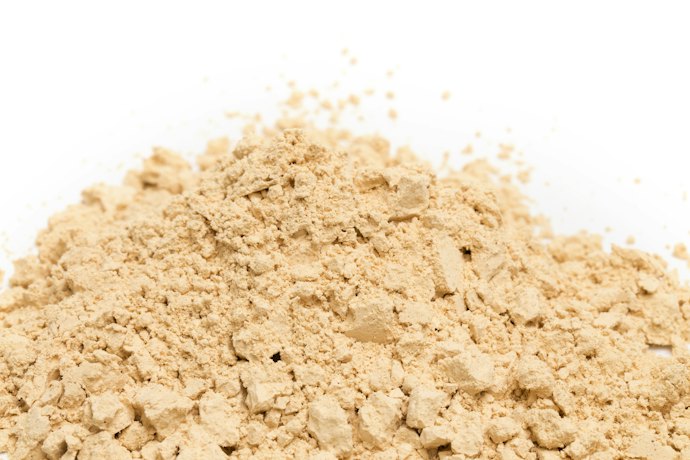
Powdered peanut butter is made by removing most of the natural oils from nuts and grinding them into powdered form. This means it's less creamy and contains fewer nutrients compared to regular peanut butter.
You'll also have to mix it with water to get a fluid consistency, so that can be an inconvenient option for some people. Although unsweetened regular peanut butter is healthy, it contains high amounts of calories and fat per serving. So, for some, powdered peanut butter is worth a little inconvenience!
Two tablespoons of regular peanut butter have approximately 188 calories and 16 grams of fat, whereas powdered peanut butter has only 70 calories and two grams of fat. This makes powdered peanut butter a perfect option for someone who wants to lose weight.

Powdered peanut butter does have less calories and fat. The only concern is that it is less satisfying and filling. The fats in nuts are unsaturated and essential for our bodies to function at their best. Added oils are the ones to look out for.
Powdered peanut butter is perfect if you're looking for a similar taste without the calories. If you are trying to build a satisfying snack or breakfast, regular peanut butter may be the way to go.
Almonds and Peanuts Have a High Amount of Protein

When considering raising your amount of protein intake per day, almonds and peanuts can be a great addition and nut butter would be a tasty and convenient way to include them. Protein is essential for building bones, muscles, and skin in any individual, but for those who want to build extra muscle from fitness and bodybuilding, it can be especially helpful.
Almonds contain seven grams of protein per one-fourth of a cup serving and are also packed with antioxidants, which protect the body from heart disease and some cancers. Peanuts contain 9.5 grams of protein per one-fourth of a cup serving as well as biotin, an essential vitamin that helps your body convert nutrients into usable energy, as well as promotes healthy hair, skin, and nails.
In fact, peanuts contain the most protein per serving out of all commonly consumed nuts!
Almond Butter and Blends for Keto

If you are one of the many people on the ketogenic diet (or keto, for short), you may want to consider how your nut butter lines up with your diet. Some experts recommend almond butter or nut butter blends (especially ones with macadamia nuts) over peanut butter if you are on keto.
It's mainly due to peanut butter's carbohydrate count being slightly higher than almond butter's carb count. This isn't inherently an issue, but peanut butter usually has added oils and sugars, which will raise the carb amount of the peanut butter in question. Many experts say peanut butter can be a great addition to a keto diet as long as the ingredients are only peanuts and salt.
Some experts will still recommend almond butter over peanut butter for keto, however, because of the many micronutrients included in almonds such as calcium, iron, vitamin E, magnesium, niacin, copper, and zinc.
Or, Consider Blends or Different Nuts for Specific Diets and Goals

If you're on a specific diet or have specific nutrition goals, there are many nut butters that are specially made for different nutrition plans. Many brands are made specifically for those on the keto diet, for example, and contain high fat, high protein, high fiber, and low carbohydrates. These nut butters may be a blend of almonds, macadamia nuts, coconut, cashews, and more.
Nut butters are a healthy addition to a diabetic diet, but you have to watch out for added sugars to help avoid unwanted blood sugar spikes. Nut butter will always have a little sugar because of the naturally occurring sugars in the nut itself, but even with added sugars, one doesn't want more than two grams per serving. Good diabetes-friendly nut butters have no added sugar.
People looking to control high blood pressure or lower cholesterol may want to consider pistachios in their nut butter. Pistachios not only have been shown to lower cholesterol and improve blood pressure, but they're also high in protein, fiber, antioxidants, and are one of the most vitamin B6-rich foods available.
Consider Extra Nutrient-Dense Ingredients
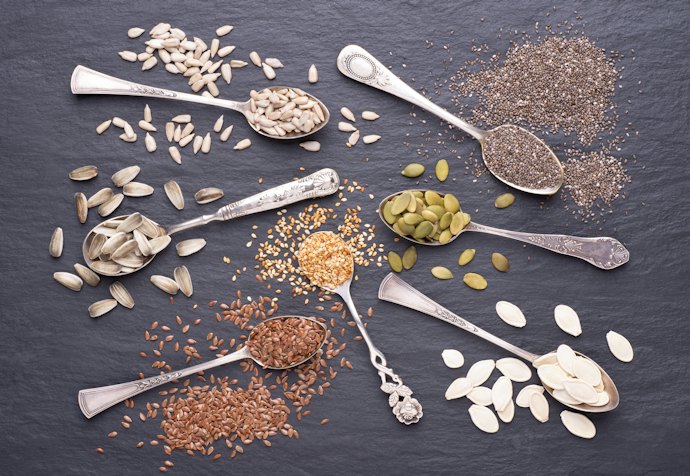
Some brands offer a mix of nuts and seeds to add more nutrients to nut butter. These include chia seeds, flaxseeds, hemp seeds, pumpkin seeds, and sunflower seeds. You can also find dates as a substitute for sugar in some brands as well.
Seeds and dates are considered superfoods because they’re rich in antioxidants, fiber, vitamins, and minerals. In addition to the health benefits, they can add a crunchy or chewy texture to nut butter, too!
In case you want to increase protein intake, it's a good idea to look for ingredients like egg whites, whey protein, or soy protein. Natural nut butter may offer five to seven grams of protein per serving, but high-protein nut butter can offer up to 11 grams per serving!
Adding seeds to nut butters, either premixed or as another topping, is a fantastic way to make meals more filling. Seeds are nutrient dense, so you can get awesome nutrients in a small serving. Seeds can also add an extra crunch for those who like crunchy peanut butter. Texture can have a big impact on the satisfaction of your meal.
Choose Between “Flavored” or “Unflavored”

If you’re looking for a natural nut flavor, go for nut butter that contains a single ingredient. Make sure it’s free or mostly free from added ingredients like sugar, salt, sweeteners, oils, spices, and seeds. Natural nut butter may taste bland to some, but it's a good option for people who have health concerns or are using it for cooking.
Many brands offer flavored nut butter to improve the taste. Some of the popular flavors are chocolate, vanilla, cinnamon, and coffee. Since there are many flavor options, you can have fun finding your favorite one!
Make Sure It Will Last

As nuts are fatty and fat is prone to spoilage, considering your nut butter's shelf life is important. Generally, nut butters come in plastic or glass jars. Glass jars are great as they don’t absorb odors and flavors, thus, glass jars optimize the freshness and quality of nut butter.
Unopened nut butter usually has a long shelf life - approximately six months to two years depending on the types of nuts, ingredients, and storage temperature. A single ingredient nut butter may have a shorter shelf life since it's made without preservatives.
Once opened, it can last for about three to five months if stored in the pantry and up to six to nine months if stored in the refrigerator. To extend the shelf life of nut butter, we suggest you store it in a cool place away from heat. Also, make sure to keep the container sealed tightly when not in use!
10 Best Nut Butters Ranking
| Products | Image | Click to purchase | Popularity | |
|---|---|---|---|---|
1 | Classic Almond Butter Barney Butter |  | No.1 | |
2 | Raw Walnut Butter With Cashews Artisana Organics |  | No.2 | |
3 | Nut Butter With MCT Oil Left Coast Performance |  | No.3 | |
4 | Skippy |  | No.4 | |
5 | Organic Peanut Butter Powder PBfit |  | No.5 | |
6 | Dark Chocolate Almond Butter High Protein Spread Nuts 'N More |  | No.6 | |
7 | Crunchy Power Fuel Nut Butter NuttZo |  | No.7 | |
8 | RX Nut Butter 6 Flavor Variety Pack RXBAR |  | No.8 | |
9 | Chocolate Hazelnut And Almond Butter Justin's® |  | No.9 | |
10 | Pistachio Butter The Pistachio Factory |  | No.10 |

Pros:
Cons:
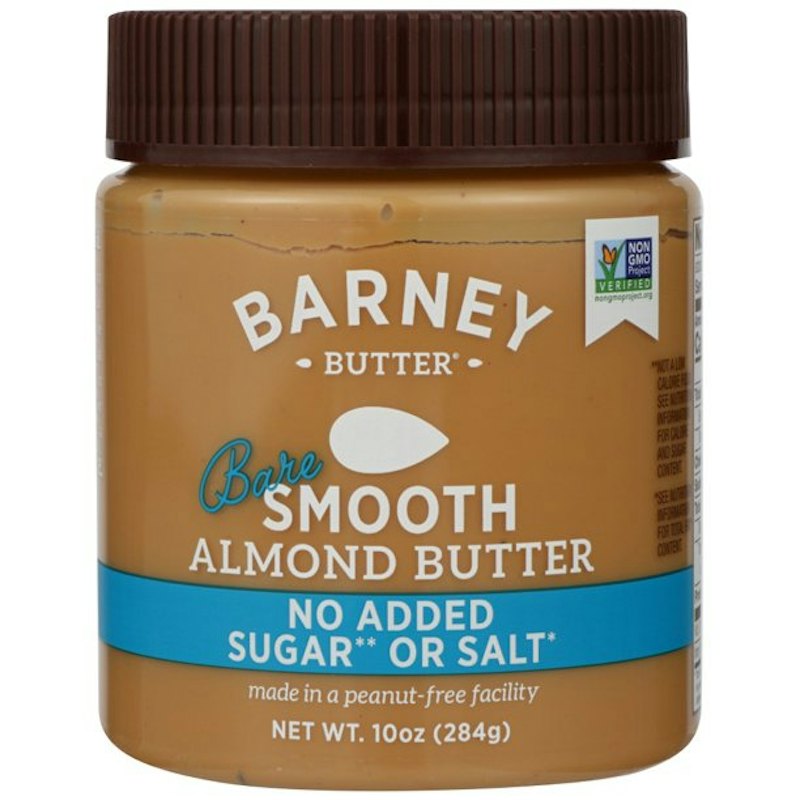
This almond butter contains only two ingredients: dry roasted almonds and palm oil. It has a rich, nutty flavor and a silky-smooth consistency, so it spreads quickly and easily on anything. It's made without added sugar and salt, so it's a good option for people who want simple ingredients and very few additives.
Some people disliked that it contains added oil. It is palm fruit oil instead of palm kernel, oil, though, which has a much better nutritional balance. Many reviewers love its extra-creamy consistency, likening it to peanut butter.
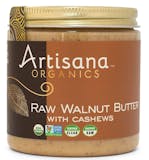
Artisana OrganicsRaw Walnut Butter With Cashews
Pros:
Cons:
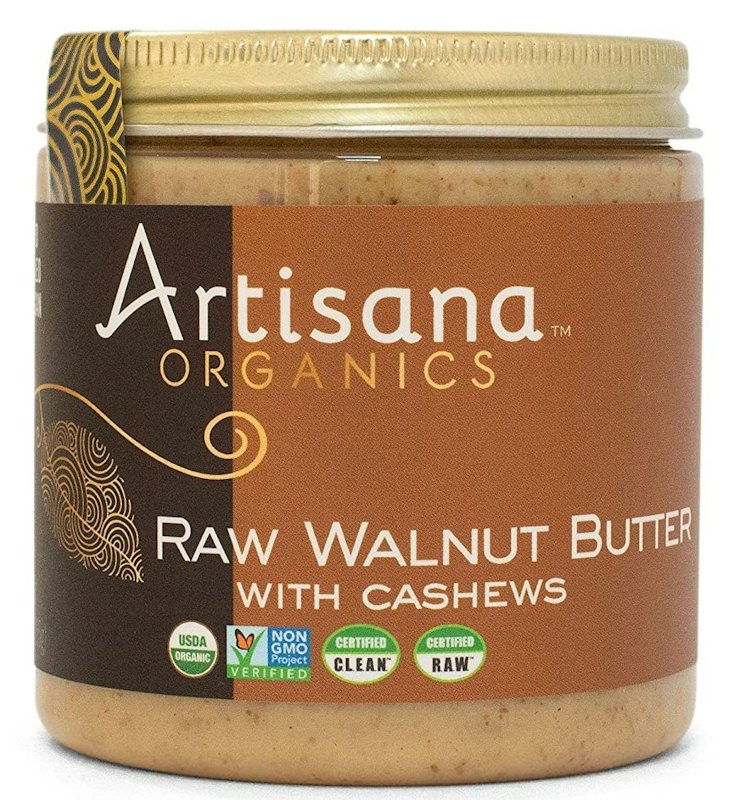
This nut butter is a great choice for those with diabetes. Not only is it extremely low in sugar, but it's also made with only two ingredients: walnuts and cashews. Walnuts have been shown to help control blood glucose levels, build insulin resistance, and have a very low glycemic index, making them very beneficial to diabetic people.
This nut butter is made in a temperature-controlled process that preserves the nutrients in nuts, which is great since walnuts have the richest nutrient content compared to other nuts. The majority of reviewers loved the flavor and creaminess, although some found it bland.
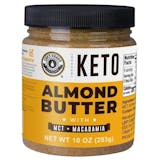
Left Coast PerformanceNut Butter With MCT Oil
Pros:
Cons:
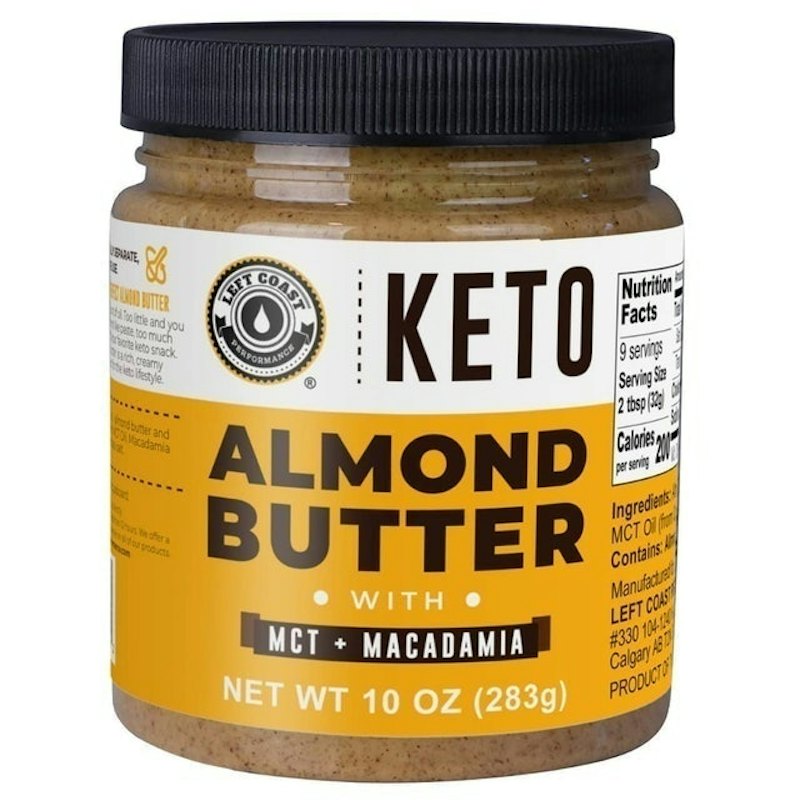
This nut butter is a blend of macadamia nuts and almonds. Macadamia nuts have a buttery taste and contain the highest amount of monounsaturated fat among all nuts. It also contains MCT oil, an oil the body can easily convert to ketones, making it beneficial for the keto diet!
Some reviewers didn't like the consistency of this nut butter; they said it's too runny when it's stored in a pantry, and it's too thick when they store it in the refrigerator. However, most people said it's very tasty! It's crunchy, slightly sweet, and perfect for the ketogenic diet.

Pros:
Cons:
Skippy Peanut Butter Blended with Plant Protein is a protein-enhanced nut butter ideal for those looking to build muscle. It contains 10 grams of protein per serving thanks to the addition of pea protein, making it beneficial to those looking for a plant-based option.
Many reviewers said they loved the extra protein, spreading it over apples, toast, and adding it to protein shakes. The flavor of the pea protein leaves most reviewers split, with some loving it, some not noticing it, and others not preferring it.
Pros:
Cons:
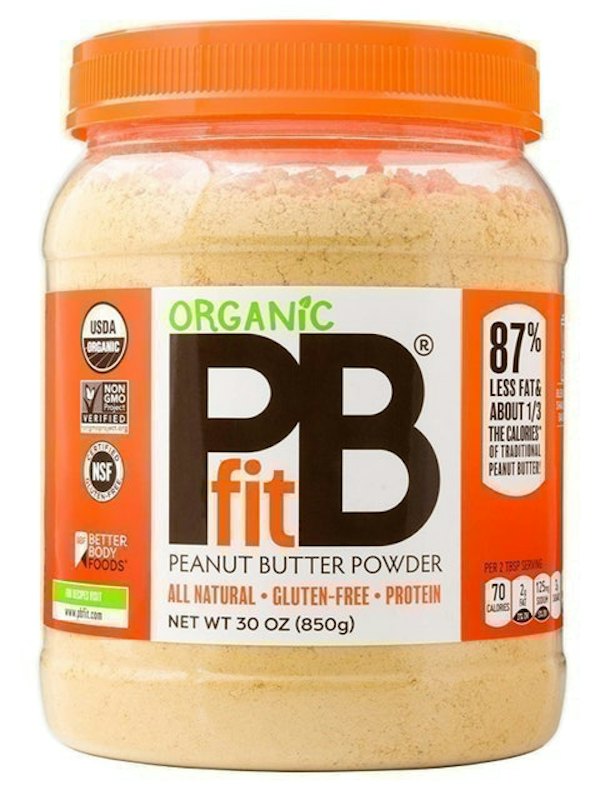
This nut butter is perfect for someone with weight loss as a goal. This organic peanut butter powder contains 87 percent less fat and one-third fewer calories than regular peanut butter! You simply mix it with water to get a buttery, spreadable consistency.
Most reviewers supported the claim that it's a good option for a restricted-calorie diet. Although it's low-fat, it's still smooth, creamy, and tastes just like regular peanut butter. Many people use it for smoothies, protein shakes, and oatmeal.
Nuts 'N MoreDark Chocolate Almond Butter High Protein Spread

Pros:
Cons:
Nuts 'N More Dark Chocolate Almond Butter is a high-protein spread crafted from fresh almonds, whey protein isolate, and natural cocoa, providing a subtle chocolate flavor without added sugars. Each serving contains 12 grams of protein, making it an excellent choice for those seeking a nutritious, protein-packed snack. The spread is also enhanced with flax for added Omega-3s, contributing to its health benefits.
This gluten-free, non-GMO almond butter is produced using a small batch process that avoids external heat, preserving the quality and integrity of the ingredients. With only 1 gram of sugar per serving, it fits well into low-sugar diets. The spread's versatility allows it to be enjoyed in various ways, including on fruit, in smoothies, or straight from the spoon. It is a nutritious option for satisfying sweet cravings while supporting a healthy, balanced diet.
NuttZoCrunchy Power Fuel Nut Butter
Pros:
Cons:
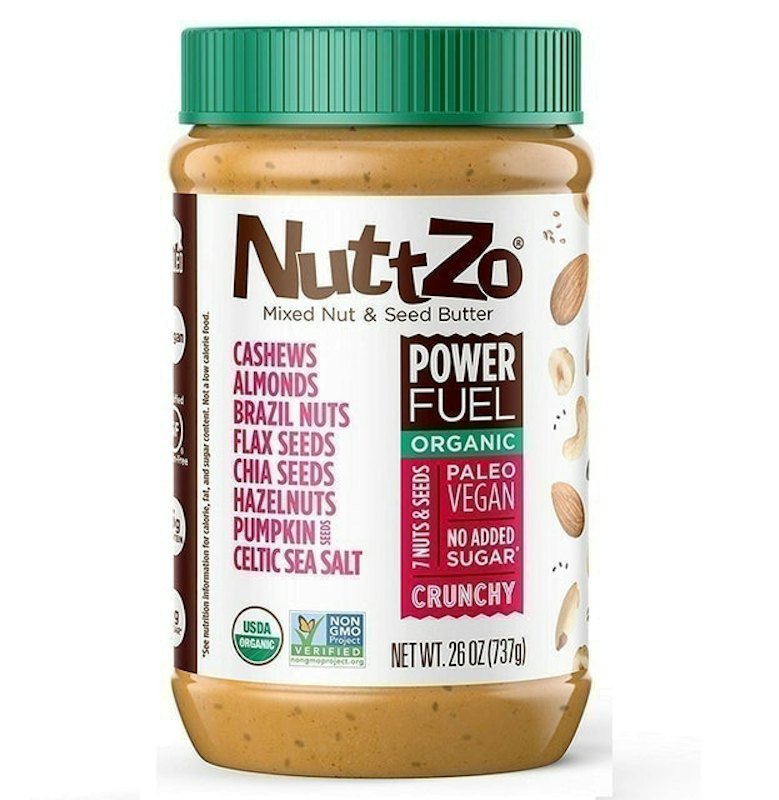
This product is a blend of various kinds of nuts and seeds, which means it's loaded with nutrients like calcium, iron, protein, fiber, and more. It's great for someone who's looking to get an extra boost of nutrition in their daily diet. Plus, it's made of simple ingredients and has no added sugar.!
Reviewers liked that it's low sugar and has a diverse range of micronutrients. Although it says crunchy on the label, many people said it's a wonderful combination of crunchy as well as creamy. However, a few reviewers are disappointed that they no longer come in glass jars, only plastic.
RXBARRX Nut Butter 6 Flavor Variety Pack
Pros:
Cons:
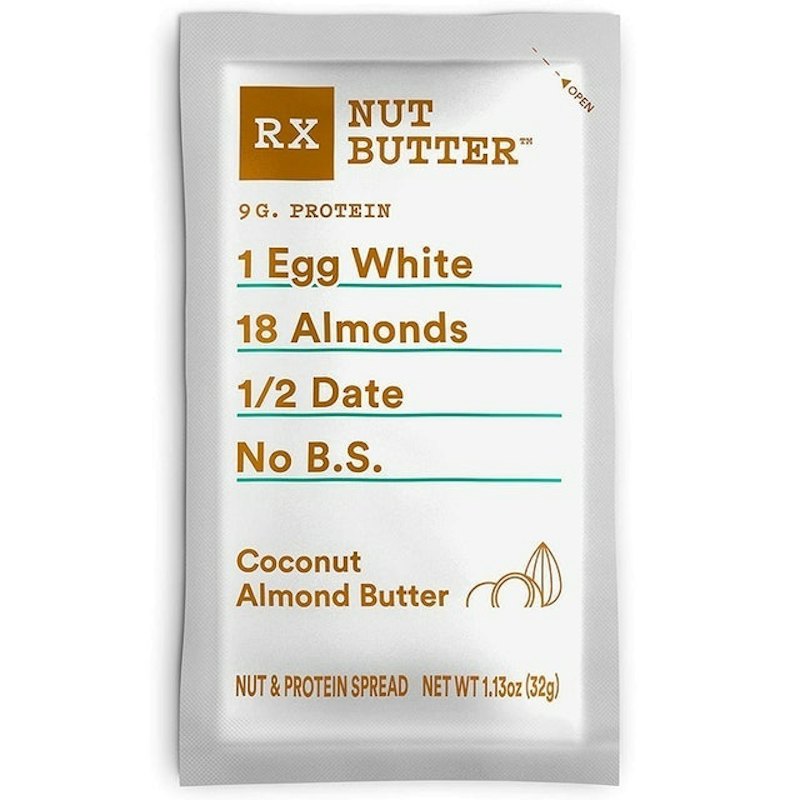
This nut butter pack includes 10 convenient packets that are perfect for portion control and taking on the go. Additionally, the company replaces white sugar and palm oil with nutrient-rich ingredients like dates and coconut oil.
Some reviewers didn't like how much they had to knead the packets to mix the oils and solids together. Overall, though, most reviewers liked that it comes in individual packets, which they found very convenient to carry around. They said it's very filling and makes a perfect snack!
Justin's®Chocolate Hazelnut And Almond Butter

Pros:
Cons:
Justin's® Chocolate Hazelnut and Almond Butter combines the finest dry roasted hazelnuts and almonds with organic chocolate to create a rich and delicious spread. This nut butter has less sugar than similar products, offering a healthier alternative for those who want to enjoy a sweet treat without the excess sugar. Each 2-tablespoon serving contains 200 calories, 16 grams of fat, 4 grams of protein, and 8 grams of added sugars, making it a nutrient-dense option for a balanced diet.
This spread is made with organic cocoa powder, organic cocoa butter, and responsibly sourced palm oil, ensuring high quality and sustainability. Certified gluten-free, non-GMO, and kosher, Justin's® Chocolate Hazelnut and Almond Butter meets diverse dietary needs. It can be enjoyed on its own, spread on toast, or added to various recipes, providing a versatile and nutritious option for those seeking a delicious and wholesome snack.
Pros:
Cons:
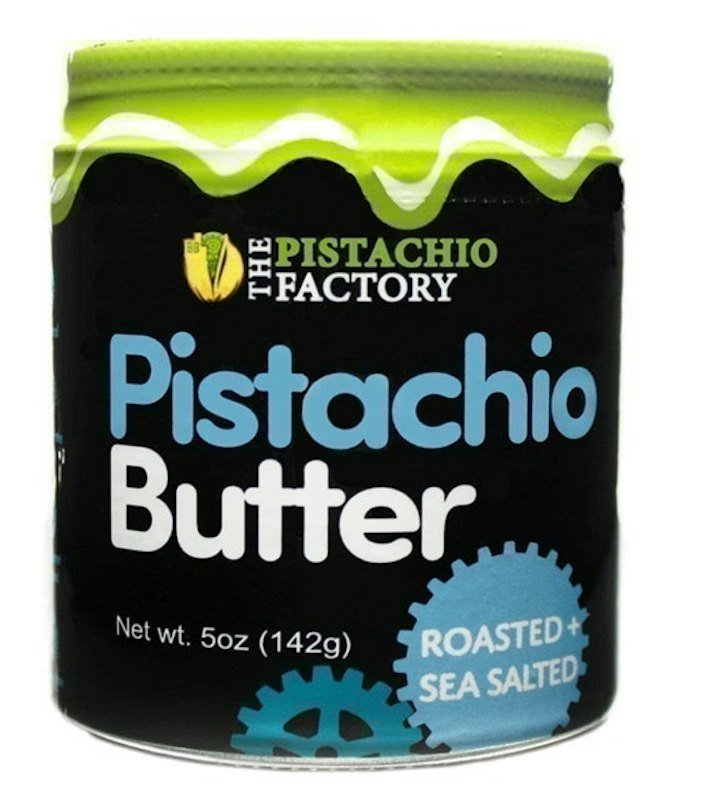
This nut butter is processed in a dedicated, pistachio-only factory, making it ideal for those with allergies, such as peanut, or select tree nut allergies. It's made of simple ingredients, containing only pistachios and salt. Pistachios are a great source of vitamin B6 and help lower cholesterol and improve blood pressure.
Some reviewers said the texture is too thin and that the packaging is too small. However, others said it's full of flavor and tastes very natural. It's a perfect nut butter to use as a spread, but it's also good as an ingredient in baked goods.
Expert-Recommended Nut Butter

Registered dietitian Rachel Binkley loves helping people meet their nutritional needs. She recommended this nut butter as a delicious and healthy choice!!
Rachel says, "This is my favorite peanut butter brand. I prefer peanut butter over other nut butters, however I will switch things up from time to time.
I love how this brand is made up of 100 percent peanuts. There are no oil or sugar additives to worry about. I think this makes a wonderful difference when it comes to taste. It has a rich flavor that can't be beat."
How to Make Your Own Nut Butter
If you can't find a store-bought nut butter you like or if you're simply feeling creative, why not make homemade nut butter? Here's a quick, simple recipe courtesy of MinimalistBaker!
Ingredients:
- 3 cups of nuts, raw or sprouted
- Optional add-ins: sea salt, vanilla extract, chocolate, hemp seeds, flax seeds, chia seeds, or coconut butter.
Directions:
- Preheat oven to 350 degrees F and add raw nuts to a baking sheet. Roast nuts for about eight to twelve minutes until fragrant and slightly brown. Sprouted nuts may take less time roasting and a cooler temperature, about five to eight minutes at 325 F.
- Add roasted nuts to a food processor or blender and blend/mix until a creamy butter forms. The nuts should go from whole, to meal, to clumps, to creamy nut butter. This can take up to 10-12 or more minutes so be patient. Scrape down sides as needed.
- Once creamy, add salt (or other add-ins) to taste. Then transfer to a clean jar or container and store in the refrigerator for up to 3 weeks (sometimes longer).
Frequently Asked Questions
Rachel helped us out by answering some of the common questions people have about nut butters.
Which nut butter is the healthiest?
Rachel says, "Peanut butter can be made with peanuts alone, and I would say this is ideal if you like the taste. Almond butter can have a grittier texture.
In my opinion, it isn't the type of nut that makes a nut butter healthy but the other ingredients. I like to keep an eye out for added sugars and oils when I am shopping for a new brand. Switching the type of nut butter you use every once in a while can help you incorporate more micronutrients into your diet."
How much peanut butter can I have per day?
Rachel says, "It depends on the person! Peanut butter is awesome because it has healthy fats that our body needs to function at its best. It is also calorie dense because there are nine calories per gram of fat, as opposed to four calories per gram of carbohydrates or protein.
Calories are not bad. They are the energy we need to go about our day. Generally speaking, a good goal is one to two servings of unsaturated fat per meal. A peanut butter serving is usually two tablespoons."
Ideas to Pair Your Nut Butter With
Almond milk, granola, and dark chocolate go really well with nut butter! You can create a variety of recipes with these ingredients. How about chocolate peanut butter granola, a chocolate almond butter smoothie, cashew butter granola bars, or even pistachio chocolate brownies?


Buying Guide Reviewed by Registered Dietitian Rachel Binkley
This expert reviewed the contents of the buying guide for accuracy and provided factual corrections when necessary. They did not participate in the product selection process, nor are they affiliated with any of our choices unless explicitly stated so.
The descriptions of each product are referenced from content available on manufacturer, brand, and e-commerce sites.